
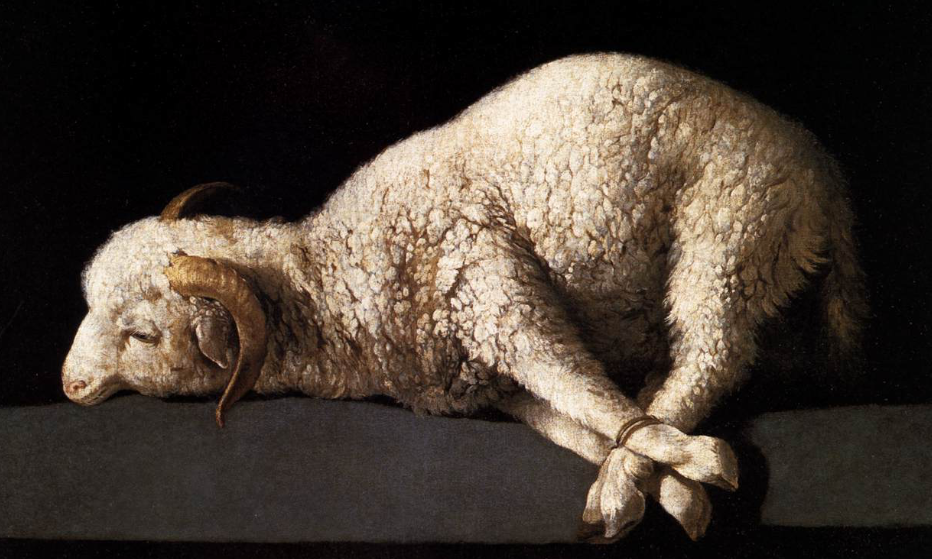
Hebrews 11:1-12:3
[Running the Marathon. To be truly human means to be in a race in this life.]
Chapter 12, verses 1-3 tells us we are in a race. Everyone in chapter 11 has run the race before us (we’ll come to them). And in chapter 12 verse 2 we learn that Jesus also ran and completed the race So now, 12:1
since we are surrounded by such a great cloud of witnesses, let us throw off everything that hinders and the sin that so easily entangles, and let us run with perseverance the race marked out for us.
We’re in a race. The Christian life is not a cup of tea and a nice sit down, it’s not a kickabout with mates or an aimless ramble or a gentle stroll or even a jog in the park. It’s a race.
And it’s a long race. an ultra marathon. v1 says run with perseverance. Verse 2 says that when Jesus ran it, it was all about endurance. Verse 3 says the same thing, The Christian is in a LONG distance, seemingly unending marathon. And the great danger is, chapter 12:3, that we hit the wall: that we grow weary and lose heart.
That was the danger for the Hebrews. Look back to the end of chapter 10.
v35 do not throw away your confidence, which has a great reward. 36 For you have need of endurance, so that when you have done the will of God you may receive what is promised.
They had started with confidence but they were in danger of throwing in the towel. The writer says keep going. Hang in there for the long haul. Endure. Cos this is a marathon.
And so in these closing chapters the writer to the Hebrews is seeking to inspire perseverance in these Christians.
Are you flagging in your zeal? In danger of losing heart and growing weary? These chapters are for you.
And what the writer does in chapter 11 is to show how the believers of old ran the race. You’re not the first to run this race – many before you have run it.
And how did they run it? They ran it By faith.
That’s the phrase repeated 24 times in chapter 11 – by faith Abel, by faith Enoch, by faith Noah, by faith Abraham, by faith every other hero of the OT you could care to mention – they all ran the race by faith. By trusting the Lord.
The Christian life is not a race for great performers, for great doers, for great workers. The Christian life is a race for the trusters, the believers, the people of faith.
And that’s the way it’s got to be if we remember what Hebrews is all about. Remember it’s all about how “God has said everything that needs to be said and done everything that needs to be done, through His Son, to bring us to himself.” God has done it through Jesus. He has DONE it.
So Jesus doesn’t say “It’s up to you. You do it.” He says “I’ve done it all. You, Trust me.” Jesus has been the perfect sacrifice for sins, the perfect priest representing us before God – He’s done everything to bring us to God and sat down on the throne of heaven, job done. So He’s not looking for our work. He’s simply looking for our trust.
And so when we read through Hebrews 11 we don’t see Heroes of morality. We see Heroes of faith. There are all sorts in this list. There are the famously good – v5 Enoch, who walked with God and never faced death. But there’s also the famously bad, v31 – Rahab the prostitute! And Enoch’s a hero not because he was famously good and Rahab is a hero in spite of the fact she was famously bad. They’re both only considered heroes because “by faith” – because “they trusted the Lord.” And in between the very good and the very bad, there’s a real mixed bag in this list of OT fore-runners. (Mostly bad)
From v8 we read about Abraham, who did some good stuff, he also sold his wife into a foreign king’s harem…. Twice. As did his son Isaac (v20). Jacob, his son was a slime-ball deceiver, but he makes the list – v21, Moses (v23) was a murderer as was David (v32) who is listed there among an assortment of fools, cowards and bullies.
The race is run by faith. Now this faith does inspire some incredible action in these guys. And faith if it’s genuine faith, always does translate into action. But the emphasis here is faith because God does not look for our works (Christ has given Him all the works He needs). He looks for our trust.
What does this faith look like? What does it mean to live by it? A few things
V1 – it’s certain.
faith is being sure of what we hope for and certain of what we do not see.
Last week my kids were on pathfinder camp - High ropes. Jump and catch rope. Leap of Faith. Of course they were harnessed in.
Faith is never presented as a blind leap in the dark in the bible. On the contrary It’s stepping into the light. You see Jesus in the Scriptures and you KNOW that He is the ultimate Sacrifice and the ultimate Priest. You know he is the strong harness who will hold you up and so you trust Him.
V6 – Faith draws near joyfully
6 without faith it is impossible to please God, because anyone who comes to him must believe that he exists and that he rewards those who earnestly seek him.
Faith is not simply believing THAT God exists, Faith believes God is a Giver, a Rewarder, Someone it’s GREAT to be around.Faith is a joyful drawing near to God because you know being in His presence is BRILLIANT.
v10 - looks forward. it doesn’t possess now
Abraham and his family lived in tents because v10 He was looking forward to the city with foundations, whose architect and builder is God.
Look at v13 All these people were still living by faith when they died. They did not receive the things promised; they only saw them and welcomed them from a distance. And they admitted that they were aliens and strangers on earth.
and v39 These were all commended for their faith, yet none of them received what had been promised. 40 God had planned something better
faith does not possess things now, it is a delayed gratification. It acts on the basis now that it looks forward to a future joy. The New Creation, the City that is to come.
V26 – sides with Christ in suffering
By faith Moses, when he had grown up, refused to be known as the son of Pharaoh’s daughter. 25 He chose to be ill-treated along with the people of God rather than to enjoy the pleasures of sin for a short time. 26 He regarded disgrace for the sake of Christ as of greater value than the treasures of Egypt, because he was looking ahead to his reward.
Think of all the privileges Moses had and could have kept if he’d remained with the Egyptians. He might have become Pharaoh himself – the most powerful man on earth. But no, Moses trusted in Christ, He trusted in the LORD Messiah. But in every age trusting in Christ means siding with the Suffering Servant and being rejected by the world.
Finally faith experiences triumph and tragedy in this life:
Read with me verses 32-39 and watch out for the triumphs and then the tragedies:
32 And what more shall I say? I do not have time to tell about Gideon, Barak, Samson, Jephthah, David, Samuel and the prophets, 33 who through faith conquered kingdoms, administered justice, and gained what was promised; who shut the mouths of lions, 34 quenched the fury of the flames, and escaped the edge of the sword; whose weakness was turned to strength; and who became powerful in battle and routed foreign armies. 35 Women received back their dead, raised to life again. Others were tortured and refused to be released, so that they might gain a better resurrection. 36 Some faced jeers and flogging, while still others were chained and put in prison. 37 They were stoned; they were sawn in two; they were put to death by the sword. They went about in sheepskins and goatskins, destitute, persecuted and ill-treated– 38 the world was not worthy of them. They wandered in deserts and mountains, and in caves and holes in the ground. 39 These were all commended for their faith
In triumph they were commended for their faith, in tragedy they were commended for their faith. That’s the thing about living by faith – there are no guarantees in this life. there are triumphs that we don’t deserve and there are tragedies that we don’t deserve. And it’s not because we’ve DONE anything right or wrong. It’s just the nature of the race, and the Lord throughout says TRUST ME. Even in tragedy the OT believers finished the race. It’s long distance, there’s all sorts of hardship and all sorts of endurance required. But there is a finishing line and it can be run.
And now as we come into chapter 12 the writer says “It’s our turn.”
We’re following in the footsteps of Noah and Abraham and Moses and David. And he calls these guys a cloud of witnesses. We’re not running alone. The greats of the faith surround us.
When he says they’re a cloud of witnesses, he doesn’t mean that they are merely spectators of our race. They’re not cheerleaders. We’re not meant to get the idea of Moses and Noah in heaven with pom-poms singing “Giles, Giles he’s our man, if he can’t do it, no-one can! Giles!” No! they are witnesses because they demonstrate to us that the race is runable. We look to them, not by looking up into heaven to see their placards and messages of encouragement. We look to them by reading the Scriptures and calling to mind how they ran and how they endured.
So as we run our race today, we might face losing out financially, or as these Hebrews had happen, our property is confiscated for following Jesus. And we ask, how can I run the race when I lose out in possessions? – well, Abraham knows. He shows me how to run in those circumstances. Or we ask, how can I run the race when I get frozen out from friends and family? – Moses knows. He can show me. Or how can I run the race when it means trouble from the authorities? Daniel and his friends know – they were cast into the flames and the lion’s den. And all these heroes of faith witness to us – And they say “the race is runable”.
And so the writer says, 12:1, let US run. They’ve run with endurance. Let usrun this race ourselves. Now is our turn. This isn’t King David’s time any more. It’s our time. This is our turn. Let’s run.
And if we’re going to run, v1, for goodness sakes, let us throw off everything that hinders and the sin that so easily entangles.
Every year in the London marathon there are those who wear fancy dress. Why on earth would you want to run dressed as a womble or a giant peperami when it’s hard enough to run anyway?? Or what about the guy who “ran” the marathon in a 120lb deep sea diving suit complete with lead boots?? It took him 6 days!!
The writer says there’s stuff that’s tangling us up and we are in an ultra marathon here not just a 6 day clomp. Some of the stuff entangling us is out-and-out sinful. Some of it is just a hindrance, not necessarily sinful but it’s a weight that doesn’t help you run the race.
What’s hindering you? What sins are entangling? throw it off and run.
And look straight ahead. Because, v2, there you’ll see Jesus.
2 Let us fix our eyes on Jesus, the author and perfecter of our faith, who for the joy set before him endured the cross, scorning its shame, and sat down at the right hand of the throne of God. 3 Consider him who endured such opposition from sinful men, so that you will not grow weary and lose heart.
Here’s the incredible thing about our race. The One who Authored the race – entered the race. The one who marked out the race for us ran it first. God the eternal Son. Jesus our saviour. he entered our world, he entered his race.
And Do you know how Jesus ran His race? Exactly the same way that we do: by faith! God the Son ran the race by trusting God the Father by the power of God the Holy Spirit.
do you see in v2 how He ran? For the joy set before Him He endured the cross. that’s faith. Jesus believed something he didn’t yet have and it got Him through. Jesus looked forward to a future joy and so He trusted His Father even though He didn’t possess that future yet but instead He had to suffer and go through tragedy before the triumph. Do you see? Jesus had that faith that joy wins in the end.
What was that joy? Well the joy set before Jesus was that through ENDURING THE CROSS He would save and cleanse and perfect you and me and One day He would enjoy our company with Him and His Father – face-to-face forever. That was the joy set before Him and he calculated thatHis cross was worth it.
What about us? Our cross will be worth it. Because one day we will be IN on this joy. One day Jesus will say
`Come, you who are blessed by my Father; take your inheritance, the kingdom prepared for you since the creation of the world.’ (Matt 25:34) ‘Well done, good and faithful servant… Enter into the joy of your Lord.’ (Matt :25:21)
That’s the joy set before you. There is nothing that this joy won’t make up for. Tortured? This resurrection hope is worth it. Sawn in two? This joy is worth it? Suffering hell on the cross – this joy is worth it. There is nothing this joy won’t make up for. And so the writer says “Fix your eyes on Jesus.”
and RUN by Faith.
Let’s say verses 1-3 together as a prayer as we close:
Therefore, since we are surrounded by such a great cloud of witnesses, let us throw off everything that hinders and the sin that so easily entangles, and let us run with perseverance the race marked out for us. 2 Let us fix our eyes on Jesus, the author and perfecter of our faith, who for the joy set before him endured the cross, scorning its shame, and sat down at the right hand of the throne of God. 3 Consider him who endured such opposition from sinful men, so that you will not grow weary and lose heart.
.
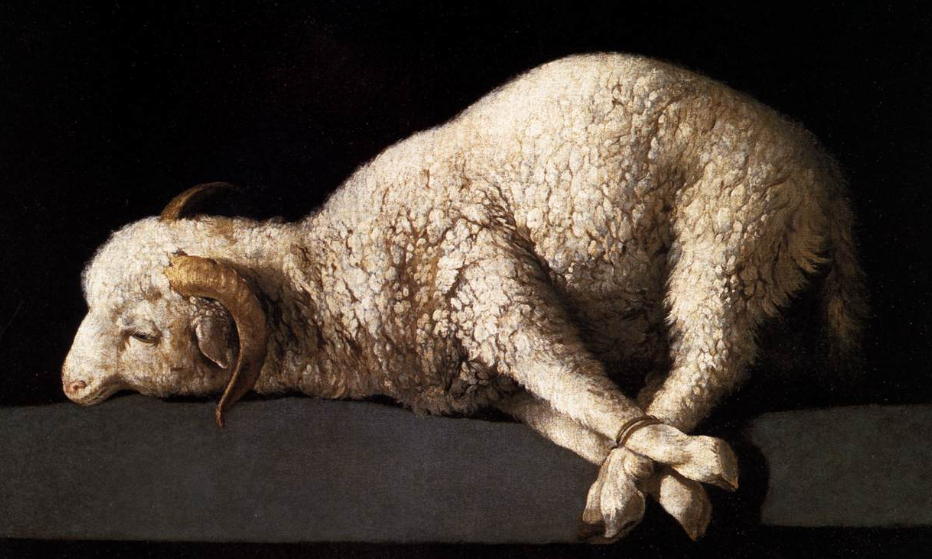
Hebrews 10:19-end
19 Therefore, brothers and sisters, since we have confidence to enter the Most Holy Place by the blood of Jesus, 20 by a new and living way opened for us through the curtain, that is, his body, 21 and since we have a great priest over the house of God, 22 let us draw near to God.
Let us draw near to God
Here’s the picture that Hebrews has been building up for us for at least the past 6 chapters. The Most Holy Place was the dwelling of God Himself. It was the centre of the OT tabernacle and in it was the ark of the covenant – the LORD’s very throne.
But of course the whole Old Covenant system kept the people away from God’s presence. the great thick curtain, mentioned in v20 – it had guardian cherubim embroidered into it to remind people of the sword bearing angelic guards protecting the way back to Eden. Do you remember when Adam and Eve sinned they were expelled from God’s holy presence and God put cherubim with flashing swords - like throwing sword martial artsists to bar the way back in. You are a sinner and God is holy, holy, holy. There’s no entry through here. Not unless you’ve got a great sacrifice and a great priest.
And that’s the thing that Hebrews is celebrating. v19 this whole system has been resolved. a once and for all and forever effective sacrifice - the blood of jesus, a new and living way opened for us - A new covenant. a great high priest over the house of God - jesus in Go’s presence eternally FOR US and the result is “Come on in!” COME ON IN!
It’s extraordinary. Hebrews says, walk with CONFIDENCE into the presence of the Holy, Holy, Holy, Lord Almighty. You could imagine the Old Testament priests appalled, running along behind us in their robes saying “You can’t go in there! Are you even Jewish?” “Nope” we say.
“And where’s your sacrifice, I don’t see a sacrifice. And where’s your priest, you need a priest.” And we say the blood of the LORD Jesus has been shed, is that a good enough sacrifice? And He is our great High Priest, appearing for us in heaven right now, is that a good enough priest? Yes it is and so we DRAW NEAR to God.
This command to draw near is repeated seven times in Hebrews. It’s a major theme. Christ’s sacrifice is the perfect sacrifice, His priesthood is the perfect priesthood, draw near with confidence.
And you think, well I can’t, can I? I get tongue tied in the presence of earthly authorities. I make a fool of myself in the presence of minor celebrities. I feel small and awkward and ashamed in the presence of human greatness. Can I really draw near?
Yes, v22 goes on:
draw near to God with a sincere heart in full assurance of faith, having our hearts sprinkled to cleanse us from a guilty conscience and having our bodies washed with pure water.
There is a FULL assurance that comes from faith. When we see Jesus, arms open on the cross, we see just how approachable He really is. He assures we can draw near and we trust Him. Not only that He sprinkles our hearts with His blood. The blood of the OT sacrifices were sprinkled on external things to say “This sacrifice has outwardly cleansed these things.” Christ’s sacrifice goes deep – it cleanses even our wayward and sinful hearts. No more guilt – it’s all been laid on Jesus: He was pierced for our transgressions, He was crushed for our iniquities. The punishment that brought us peace was upon Him. And by His wounds we are healed. No need for guilt. Christ has paid for it all, cleansed it all, removed it all.
And our bodies are washed with pure water. In between the altar and the holy place of the tabernacle there was a massive basin where the priests washed before entering the holy places. Jesus has taken us through that washing into God’s presence. And for our part, baptism is the symbol of this deeper washing. But as we stand before God no need to feel out of place, no need to feel uncertain, no need to feel guilty, no need to feel impure – Christ has cleansed us. Draw near.
But what does that actually mean? What does it look like to ‘draw near to God’?
In Hebrews 10 there are three important contexts we need to bear in mind as we draw near:
The holiness of God
The suffering of the Christian life, and
The need for community
- the holiness of God
it is simply breathtaking that we are welcomed into the presence of God because God is so holy. so holy. We must have been made so clean. God is like this and that impresses upon the nature of our relationship with him. In Fatherly love he has poured out himself to make us clean, to make us his children. We may be confidently in his presence now but nothing has change about who he is. he doesn’t suddenly become God All Matey. No our Father is God Almighty
Those fearful verses in vv26-31
v26 If we deliberately keep on sinning after we have received the knowledge of the truth, no sacrifice for sins is left,
v29 speaks of punishent
v30 of vengeance
v31 It is a dreadful thing to fall into the hands of the living God.
scary verses made even scarier if you think you are the person who can only expect judgement
i’ve spoken with christians who have been crippled by the fear that they are damned because of ongoing sin. Whenever I held out the grace of Jesus they would always come back to these verses and say “I’m keeping on sinning, therefore I’m trampling on the Son of God therefore I will be punished.”
Is that what these verses are saying? Are they saying that too much sin will eventually mean you trample the Son of God and get judged.
Well look, it would be very strange if Hebrews was teaching that true Christians could lose their salvation. Just look back a dozen verses to verse 14:
by one sacrifice Christ has made perfect for ever those who are being made holy.
Those being made holy are the Christians and Christ by His death has made them perfect FOREVER. So unless this writer has completely changed his theology in the space of a dozen verses, this is not about true Christians who sin too much and end up in hell.
No v26 is not about any old perpetual sin. The context and the use of sinning as a verb in hebrews suggests that this must be the sin of rejecting Christ who is the one and only sacrifice for sins. v29 seems so make that clear - it’s a rejection of Christ and his saving death and the spirit who makes that available to us.
The person who deliberately walks away from Jesus Christ and says of the cross and the Holy Spirit - what a load of nonsense
As someone said to me at a wedding on Friday where i preached the gospel, ‘God and me we have an agreement, I don’t bother him and he doesn’t bother me’
That’s the sin that tramples on the cross and the Spirit. It’s the only unforgiveable sin - blasphemy against the holy spirit - because it is the rejection of the only means of forgiveness.
It’s like a drowning man rejecting the one lifeguard who has swum out to save him - pushing him away, trying to drag him under with them.
More than that it is the spurning of a lover isn’t it? God in love pours out his life to save the people he has made, the people who belong to him. He Gives his own son. Because he loves. and to have that love rejected, thrown back in your, I’ll stay with other lovers - it’s Deeply wounding, deeply angering.
If anyone ends up in hell. They will do so having trampled hell bent over the crucified Jesus - his arms open but spurned.
But notice who God is. the lover of our souls is Holy Holy Holy - a furnace of burning purity. And you can draw near and be refined, be made holy, be made like him in love.
So the first thing is Let us draw near to God - the holy God
the second is
Let us hold unswervingly to hope
The context of the suffering of the christian life vv32-end
the orignial recipients of the book of Hebrews have v32 been through a great conflict and suffering
v33 they’ve experienced insult and perscutoin
v34 some of them have beem imprisoned or had property confiscated
have you ever experienced any of this in your christian life.
the christian life brings troubles, persecutions. we are strangers in the world. if the world hated me, says Jesus, it will hate you also
direct insult, persecution, imprisonment and violence is the experience of millions of christians today around the world. Nigeria, India, Iraq, Indonesia. churches and homes burned, lives lost..
how does anyone keep going as a christian in those sorts of circumstances?
how do you keep drawing near?
in the west we may not encounter violence and gross mistreatment as Christians but there is a kind of persecution - a withering derision and active sidelining of christian belief which has a deeply suffocating effect on our faith and perseverance.
how do you keep going as a christian in those sort of circumstances?
how do you keep drawing near when everyone is telling us that our faith is our silly hobby.
and then there are the sufferings of encountering and fighting our sin which afflicts all Christians
how do you keep drawing near
2 things in the passage
community and the future
- community
v33 they stood side by side with each other in suffering
v34 they sympathised with those who were suffering
= to co-suffer. suffer with
they did suffering and struggle together as a community
and
2. they did it looking forward to the future
v34 better and lasting possessions
a remarkably tangible view of the future
they could persevere when their possessions were confiscated or their homes burned down because they were looking foreward to a concrete future hope. The new creation. An inheritance kept for you.
imagine if you have your books, your computer, your car confiscated, your home, church damaged, your reputation stripped away
such a concrete view of a physical tangible perfect future hope.
i have better possessions coming to me
of this they were convinced v36 we will receive what he has promised
Jesus didn’t just promise persecution. he promised a new creation hope. lasting possessions and relationship with him
v36 in just a little while …will come
lovely name for Jesus ‘he who is coming’
who is Christ? he is he who is coming
he is on his way, we will see him face to face
our faith is not some laughable hobby.
the future is Christ’s and we will inherit a whole universe with him
3. context for drawing near
let us not give up meeting together
let us consider how we might spur one another on to love and good deeds
the context of cimmunity
drawing near to God happens in community
i need to be thinking about you
and about how i can spur you on to love Jesus and others and to good deeds
and you need to be thinkiong about me and about how you can encourage me
bevcaise i can’t draw near to God without you and you can’t draw near to God without me
we need each other
we need to spur each other on and we need to be deliberate about it
v25 we need to meet together and keep on meeting together
because NOT meeting together is habit forming
interesting. You might have imagined he’s say that meeting together can becoem a habit which it can
but not meeting together can become a habit v v quickly
haven’t you had that?
you miss splinter group or church because something comes up you can’t make it. it makes it easier not to make it the following week.
these verses say please watch out. if you want to draw nearto God you must draw near to each other. we need each other
don’t give up meeting together.
it’s crucial ..because staying away can slide into drifting away which can slide into falling away
Don’t give up meeting together.
let us
let us
let us
who is the lord laying on my heart that i can encourage today?
as we come now to the service of the Lord’s supper
where we celebrate that in jesus we have a perfect sacrifice
a wonderful high priest
let us draw near to the god who is holy holy holy
let us hold firmly to the hope we profess in all the sufferings of this life
let us encourage one another daily
don’t stay away. with confidence draw near with sincere hearts.
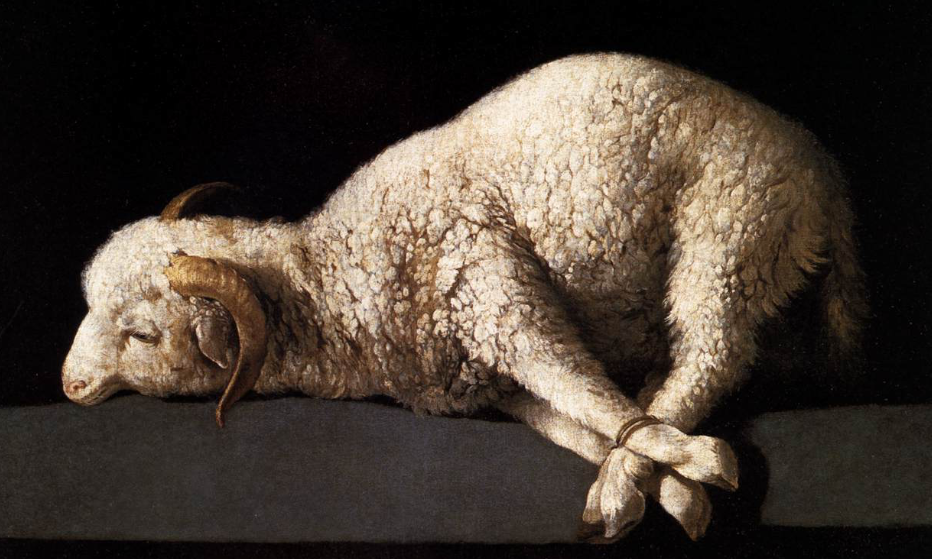
Hebrews 9
How do you deal with a guilty conscience? Some of the greatest works of art deal with the controlling power of guilt and shame, We think of Lady Macbeth in Shakespeare’s Scottish play. Or Raskolinikov in Dostoyevsky’s Crime and punishment.
Guilt is very complex.
There is such a thing as false guilt – we feel guilty but the shame is not our own – it’s been imposed upon us by others’ deeds.
But there is also such a thing as real guilt – whether we listen to our consciences or not. It’s not just that we owe others when we wrong them. But when we offend others we also offend God. We owe him. Guilt weighs upon us. How do you deal with a guilty conscience?
If you’re a Christian you are told that you are forgiven and yet shame and guilt can still consume and control. They can shape ongoing behaviours. They can make us doubt that we’re gonna make it.
How do you deal with a guilty conscience.
That’s the concern of our writer in chapter 9 of the book of Hebrews.
We are guilty and we alone can never shift that human stain. But we are to take to heart that Jesus deals with our guilty conscience once and for all and forever by his blood.
—
Our writer starts in vv1-5 by again, as he often does speaking about the first and original terms of relationship, or covenant, between God and his people.
and the key thing was the tabernacle - this elaborate tent made to God’s instructions when Israel were in the wilderness and that later became the temple in Jerusalem. built to the same layout which was, v2,
a curtain from the outside - that brought you into an outer room - the holy place and then a second curtain behind which was an inner room - the most holy place. God’s throne - the ark of the covenant - was in this most holy place. And God’s glory dwelt between the cherubim overshadowing the atonement cover.
and v6 … priests entered regularly into the outer room to carry on their ministry. But v7 only the high priest entered the inner room, and that only once a year, and never without blood, which he offered for himself and for the sins the people had committed in ignorance.
only the high priest, only once a year, never without blood.
The worship of Israel was awash with blood. Every day animal sacrifices were made so that the people to continue in their relationship with God and the high point was this annual ‘day of atonement’ when the High Priest, representing the people, actually went into the presence of God carrying the blood of the sacrifice which he poured out on the atonement cover on the ark of the covenant.
Graphically teaching that Guilty, sinful people cannot be in relationship with a holy God. The wages of sin is death. But the sacrifice dies in my place meaning that i can be cleansed and draw near - that i can be in ‘relationship..’
But of course it wasn’t really much of a relationship was it?
Because of the offerings of all that animal blood, Once a year, one man could go in for a few minutes???
The chasm between God and people remains enormous doesn’t it?
Look at what Our writer says in v8: The Holy Spirit was showing by this that the way into the Most Holy Place had not yet been disclosed as long as the first tabernacle was still functioning. 9 This is an illustration for the present time, indicating that the gifts and sacrifices being offered were not able to clear the conscience of the worshiper. 10 They are only a matter of food and drink and various ceremonial washings—external regulations applying until the time of the new order.
The old tabernacle didn’t actually work because the sacrifices of animals didn’t actually clear the guilt of the worshipper. And the severe restrictions of any access into God’s presence made that abundantly clear.
But
But
v11. It’s a huge But
when Christ came …. everything changed.
Jesus’s sacrifice of himself on the cross was the fulfilment of everything of which the worship of the tabernacle was only a picture, an illustration, a model..
look at the second half of v12
and see that Jesus, our great High Priest, Jesus, doesn’t enter a room in a temple, year after year, with the blood of countless animals, only to stay for a couple of minutes
no look end of v12
he entered THE Most Holy Place
ONCE for all
by HIS OWN blood,
thus obtaining ETERNAL redemption.
he entered THE Most Holy Place
ONCE for all -
by HIS OWN blood,
obtaining ETERNAL redemption.
4 incredible realities. Let’s look at each of them in turn..
- Jesus entered THE most holy place for us.
the writer to the Hebrews has been telling us that the tabernacle worship was only a model, a picture to look forward to the reality which is Christ.
For a start God didn’t really fully dwell in the holy of holies in the tabernacle or the temple in Jerusalem. As if a building could contain the presence of God! If God had really fully been there in all his glory then the High Priest entering the holy of holies, carrying the blood offered for his own sins and the peoples, would have been blown away because the animal sacrifices being offered didn’t actually work, they didn’t remove guilt! The way into God’s presence was not yet open (v8)
BUT Jesus’ sacrifice of himself on the cross for us really does work. Really does open the way for sinful human beings to be cleansed and to draw near, into the very presence of God!
v11 tells us that Jesus, having died and risen again went through the greater and more perfect tabernacle that is not made with human hands, that is to say, is not a part of this creation.
or v24 Christ did not enter a sanctuary made with human hands that was only a copy of the true one; he entered heaven itself, now to appear for us in God’s presence.
Jesus opens the way into the true heavenly thone room.
The Lord God wants you in his presence. Do you know that about God?
Do you consider this that if you are a Christian you literally live your life in the presence of this holy God because Jesus has brought you there.
we might be tempted to take this for granted. Or not realise it and fail to enjoy its privilege. The way is open. Jesus entered the most Holy place for us
2. He did so ONCE FOR ALL
We’ve just moved into a new home and a new bathroom had been put in prior to us moving in and …there are some teething problems. A tiny leak from the shower that drips down into the sitting room. Not great! A lovely man called Lance has come to fix the leak. He comes and does some stuff and we rejoice on that day. But then the leak comes back. It’s happened about 3 times now and Lance will be back on Monday.
The Jewish day of atonement was a bit like that! On that day the Israelites rejoiced because their sins were dealt with and the way into the Most Holy placed was opened! But it was just for a day, just for a moment. The very next day ..the leak was back. The sacrifices had to be repeated. Blood shed every day. The day of atonement year after year after year..
But Jesus’ sacrifice is different. It is once for all. v25
[Christ did not] enter heaven to offer himself again and again, the way the high priest enters the Most Holy Place every year with blood that is not his own. 26 Otherwise Christ would have had to suffer many times since the creation of the world. But he has appeared once for all at the culmination of the ages to do away with sin by the sacrifice of himself.
Jesus’ death does away with sin completely, finally, once for all.
Oh that our leak could be fixed once for all.
But Oh that our sin could be forgiven, covered. It has been once for all!
Which means there is nothing more to be done. There’s nothing that you or I contribute to our salvation. It was completed once for all before you were even born! There is nothing for you to do.
Ill. imagine a painter gives you one of her paintings, framed and ready to hang in your house. And before you do so you precede to break open the frame and get a biro to add a bit of shading to the sky!
Or imagine if you’re invited to a dinner party and the meal is served to you and you take it back to the kitchen to do a bit more work on the sauce
No - when you are given something that is finished, completed - The creator has laid down her paint brush, has removed his apron and said this cannot be improved on – it is not only needless but offensive to attempt your own contribution.
we often do think that our contribution matters that God favours us when we are good and frowns upon us when we’re bad. But no, the gospel is not about us. It is all about God and his free grace towards needy undeserving sinners.
We must humble our proud selves. And joyfully accept that No contribution is required.
[Jesus] has appeared once for all at the culmination of the ages to do away with sin by the sacrifice of himself.
3. third thing to say. third part of v12 Jesus entered the most holy place once for all by his own blood
I’m a bit squeamish about blood. A few times i’ve gone for blood tests or given blood and i have to look away. Blood is meant to stay in the body! Blood coming out means life ebbing away.
The book of Hebrews is full of blood. The worship of Israel was all about blood. The writer says in vv15-22 that some some contracts only become legal when there is a death - a will for example. And all establishing of relationship between people and God, all God’s covenants required blood vv18-20 and all ceremonies in Judaism required blood to cleanse v21 because, end of the verse without the shedding of blood there is no forgiveness.
our sins in the face of a holy God deserve death. the sacrifice of an unblemished animal provided a picture that another could die in my stead so that i could draw near, forgiven. The blood of a perfect substitute could cleanse me.
Of course it’s only a picture, a ceremony:
the death of animal - no matter how perfect - could never really take away human sin. It’s an animal.
Neither could the death of another human truly take my place - we are all flawed, we all have our own sin to pay for.
but what about the blood of a perfect human being?
13 The blood of goats and bulls and the ashes of a heifer sprinkled on those who are ceremonially unclean sanctify them so that they are outwardly clean. 14 How much more, then, will the blood of Christ, who through the eternal Spirit offered himself unblemished to God, cleanse our consciences from acts that lead to death, so that we may serve the living God!
we all in our, selfishness, greed, lust, pride engage in acts that load our consciences with guilt - acts that lead to death. But the unblemished man, Jesus stands in our place and takes our death for us. the perfect substitute. he pays for our sin. his blood cleanses our consciences that, no longer separated, we may serve the living God.
guilt and shame can control us
Our enemy the devil – yes he is real – though defeated he still seeks to destroy faith and hope and joy and keep us in our sin. He’s a master shame specialist. He loves to dig up all the stuff that we might feel ashamed of. He lies about God and his favourite words are ‘You are not..’ What are you doing in church? You are not good enough. Call yourself a Christian? Think God is gonna persevere with you? You are not gonna make it. We believe his lies and guilt and condemnation can control us. If I think that I am a worm – I’ll behave like one.
But Jesus speaks a different word to us. He says to us yes you have done wrong but I’ve paid. Yes you have failed, yes you’ve been a hyprocite. But I’ve paid. I have paid for all your sin - past, present and future. The Devil says ‘You are not…’ Jesus says ‘You are MINE.’
Jesus’ blood forces us to refocus our concept of God. Do we imagine God constantly wagging a reproachful finger at us? Is he constantly demanding that we strive to be better, do more, live perfectly? Does he fill us with anxiety and despair? This is not the God of the Bible. The God of the cross knows our weakness and frailty – why else did he die for us? The true God anticipates out inability to keep his standards by taking the consequences of our failure on himself. All of them – past present future.
Every one of us now must not be controlled by guilt because Jesus’ blood never fails us.
Final thing from v12
Jesus entered the most holy place once for all by his blood thus obtaining eternal redemption.
Remember the High Priest on the day of atonement tip-toeing into the most holy place - never without blood. pleading the blood. ‘the substitute has died, please don’t kill me!’ pouring the blood on the atonement cover, the mercy seat and then getting out of there as quickly as possible. Only for a different priest, a year later to do the very same thing. Not exactly what you’d call access to God! it wasn’t.
By contrast look at Jesus. v24
24 For Christ did not enter a sanctuary made with human hands that was only a copy of the true one; he entered heaven itself, NOW to appear for us in God’s presence.
Jesus, after his death and resurrection enters heaven itself to appear in for us in God’s presence AND HE NEVER LEAVES. He’s there now.
7v25 says that Jesus is able to save completely those who come to God through him, because he always lives to intercede for them.
Jesus constantly pleads his blood before the Father. Showing his nail marked hands. When I sin, jesus says I died for him. When Ioffend God, Jesus says I bled for him. When I am lost Jesus says, He is mine.
He is our ETERNAL High Priest.
There is never an end to his grace.
How do you deal with a guilty conscience?
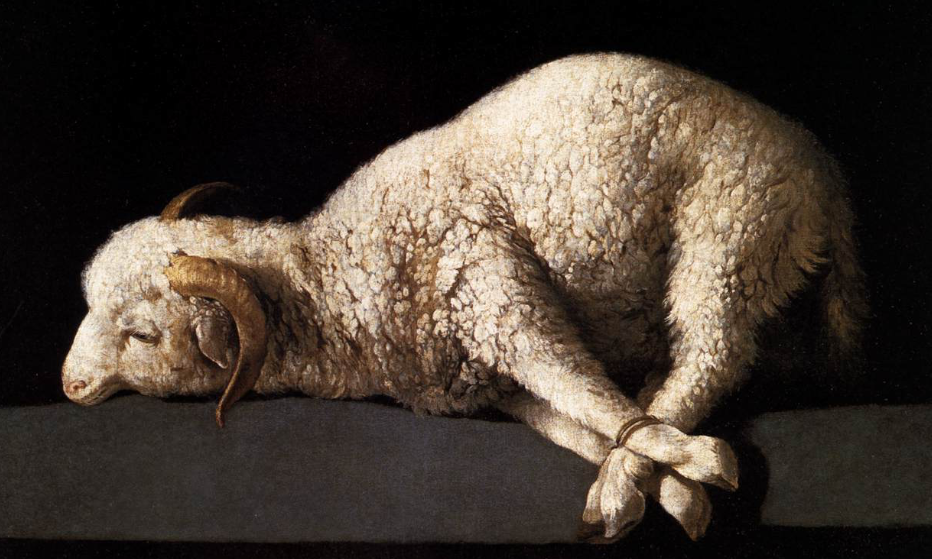
Hebrews 8 Nigel Beynon
What are we to think about our relationship with God? if we’re Christians – how do we feel about knowing God?
Guilt - we say we’re forgiven but can have a sense God is disappointed in me – thinks less of me because of what I did last week.
Expected change – well we know he wants us to live in a certain way - but can feel that means not being really me. He’s forcing into a mould that doesn’t fit.
Insecurity - we can certainly feel God likes others more than me. That’s an easy one – some people are really in with him – whereas I’m on the edge.
Do you ever feel those sorts of things? Should we feel those things? What sort of relationship does a Christian have with God?
I ask that because here our writer describes the relationship with God we’ve been given in Jesus – and we’re going to see it’s very very different to what I’ve just said.
This last week I’ve been at a conference where I’ve seen quite a few old friends – which has been lovely and reminded me how important and precious relationships are to us.
At the same time – it reminded me of the difficulties we can get into.
I saw one friend - who a little while ago - I offended by being selfish. Now they’ve said they forgive me – but I wonder – are they still mindful of my wrong. Do they think less of me? You know that sense you have a black mark against you. Problem of guilt.
I think of another friend – who – well I have a strong sense he wants me to be a certain way with him – there’s an expectation of what I should be like – but that’s not really me. You know what I mean – you feel you ought to play a certain role – but you’re not being yourself. It’s the issue of expected change.
Then of course there’s a sense of insecurity. There were lots of people there – see groups of friends chatting – easy to feel left out. We can all feel that – why wasn’t I invited to the party - do they like that person more than me? We feel insecure or second tier.
Now what about our relationship with God – if we’re Christians – how do we feel about knowing God? I think it can easily be similar.
Guilt - we say we’re forgiven but can have a sense God is disappointed in me – thinks less of me because of what I did last week.
Expected change – well we know he wants us to live in a certain way - but can feel that means not being really me. He’s forcing into a mould that doesn’t fit.
Insecurity - we can certainly feel God likes others more than me. That’s an easy one – some people are really in with him – whereas I’m on the edge.
Do you ever feel those sorts of things? Should we feel those things? What sort of relationship does a Christian have with God?
I ask that because here our writer describes the relationship with God we’ve been given in Jesus – and we’re going to see it’s very very different to what I’ve just said.
However, before we get to that he tells us about Jesus as our priest. Because a priest was the one who gave you a relationship with God – and he wants us to see
Jesus is the true priest serving in the true temple
8:1-2 READ.
The tabernacle or the sanctuary - was the place the priests did their job of sorting people out with God – they offered sacrifices – presented the blood to God. Later in Jerusalem the tabernacle was replaced by the temple.
The people first reading this were Jews who had become Christians – knew all about the temple and it’s sanctuary – it was a enormous building – it had wonderful rituals and music. The priests had special clothes and ceremonies. It was very impressive - and so it was very tempting for them – to want to go back to those priests and that temple.
But v2 Jesus is in heaven and READ.
He’s saying – there is a true sanctuary in heaven. Made by God. That is where Jesus is serving now.
In fact the priests – v5 READ.
So the temple in Jerusalem – that is copy of the one in heaven. That’s why when Moses was told to build it – he was shown a pattern to follow – so it would be a model of the heavenly one.
I live close to the Emirates stadium where Arsenal play. A while ago Jacob my son was given this model of the Emirates. It’s not quite finished but I’ve run out of energy.
Anyway a few months ago at the end of the season Jacob was invited to go and watch Arsenal play.
Imagine if I said – don’t go – look we’ve got a really great model here – we could make some players and move them around – and score goals and cheer.
Well Jacob’s favourite phrase at the moment – if you say something stupid is - are you lost? I think I’d get a ‘are you lost’ – or worse.
Why would he play with this – when he can go to the stadium and watch the game.
Well these Jewish Christians are tempted to go back to the temple – so tangible and impressive – but our writer is saying – you’ve got to realise – that’s the model. The temple in Jerusalem is this thing. The true temple – is in heaven. And that is where Jesus serves.
And so having Jesus means – you’ve got the real thing. He’s the true priest in the true temple.
And that means Jesus really does what the priest was meant to do. The priest was meant to sort you out with God – he enables you to relate to God. Well Jesus really does that. Jesus gives us a true relationship with God. That’s the main thing we’re going to think about.
Jesus gives us a true relationship with God
V6 READ.
A covenant is basically a relationship. There was the old covenant through Moses. And then there is this superior covenant Jesus brought about – it’s called the new covenant – and it was promised in this OT passage that is quoted - Jeremiah 31.
We’re going to think about three aspects of this new covenant relationship. But in all of them I want us to see something that is very simple – but very profound. And it’s this – this relationship is true. Said it was simple. By true I mean – both that it is real and genuine. But also true in the sense of ultimate – it’s the relationship we always wanted. It’s the true relationship we’ve always longed for. It is the true relationship.
First of all in this relationship there is true forgiveness.
True forgiveness
V12 – various things are true in this relationship – because or ‘for’ - READ. This relationship is founded on forgiveness.
I want to think about that phrase he will ‘remember their sins no more’. Because initially that sounds odd – does that mean God will actually forget our sin – so he doesn’t know what we’ve done wrong.
We in the Bible God remembering something means acting on the basis of it. So at start of the OT God promised Abraham he’d give his descendants a land. They end up as slaves in Egypt – and then we read “God remembered his promise with Abraham”. That doesn’t mean he’d forgotten it – and then saw the post it note – “I knew I’d promised something”. Rather remembering the promise means now is the time he is now going to act - to fulfil that promise. Bring it about.
And that means ‘not remembering’ doesn’t mean he’s forgotten and doesn’t know about it – it means he won’t act on the basis of something. Not remembering our sin – means he won’t act on the basis of our sin - he won’t give us what our sins deserve.
A while ago I heard about two family members who had a argument – one said something stupid and hurtful. Time went by. Then they had another argument and one harked back to the stupid thing that was said. The other one said - ‘I knew you’d bring that up again’.
That’s how it often is – you can hear it can’t you - you always do that – that’s just what you’re like. Past failures and mistakes are brought up.
Well in this new relationship - God will never do that. He will never say – do you remember that thing you did – he’ll never bring it up.
To give a contrasting example – a few months ago I offended someone in a meeting. I was trying to be funny – it wasn’t. It was rude and out of order. We had an email exchange – I apologized – he forgave me. Then I saw him about a week later – chatting away happily – and I said – thanks for the emails I’m sorry – he’s said – oh – hadn’t even thought of it.
It had been forgotten – he knew about it – but he wasn’t conscious of it – it wasn’t impacting our relationship.
That’s what we’re talking about here – our sin doesn’t impact our relationship with God. He knows about our sin – but as far as our relating goes – it’s been forgotten.
Now isn’t this what we want in our relationships?
A careless word, thoughtless action, sensitivities, pride, selfishness - we hurt each other – and the only way to keep the relationship is forgiveness. But sometimes that isn’t easy. The memory lingers. We can’t forget what someone has done to us – it eats us up. Or we can’t forget what we have done wrong – it plays on our mind and eats away at us. And the bigger the wrong – the more it eats.
Do you find yourself wondering – if only I hadn’t done that – if only it could be as though it never happened. Well in this relationship “if only” – can happen. Because of Jesus true priest – true temple – brings about true forgiveness where God has forgets our sin – it’s as though it never happened - that means we can forget and move on too. It’s true forgiveness.
True change
Secondly, this new relationship is a relationship of true change.
V10a READ.
Now God’s law - the 10 commandments etc – expresses God’s character – his law shows you what he’s like – what he loves, what he hates.
But in the OT the law was on stone tablets – and if you held up the law to a sinner – it actually showed you how much you failed. This is what you should be like – but you’re not. It was like holding up a mirror to a person covered in mud – you see how dirty you were.
But in this new covenant God promises to put his law in a different place. God will put his law inside us - in our minds and on our hearts.
Now the law expresses God’s character – so this means his nature – what he loves and hates - will be in us. Elsewhere we’re told that’s because God himself - by his Spirit – will come into us and change us so we will then we live out his character and be like him.
Now this change won’t be complete until heaven or the new creation – that’s when we are actually like God completely.
But if you’re a Christian it does start now– God gives us his Spirit – and starts to change us. We still have sin in us too – so it’s very mixed and messy – but we start to change and become like God.
And becoming like him – is what we were made to be. We were made to be his image – like him – and that is what he’s working at in us – making us like him. So this change is – becoming the true us.
Again – isn’t this the sort of relationship we want. The best relationships we have are ones which help us be our true selves – they teach us and model things to us – there’s something in the dynamic which helps us to be the best version of ourselves. It brings out the best in us.
Well that’s what this is and much more. Being like God is who we were made to be. And in this relationship God comes into us to make us like him – so he’s changing us into who we were meant to be – that change is hard and messy – it can feel unnatural to us sometimes – but actually he’s changing us into the true us – the best version of us. It won’t be finished until heaven of course – but it starts now – true change.
True knowledge
Thirdly it’s a relationship of true knowledge. Half way through v10 READ.
That phrase ‘I will be their God and they will be my people’ comes throughout the Bible –describing being in relationship with God – but it keeps collapsing and failing because of sin.
But in this new relationship – where God forgets our sin. And where we no longer sin because God is in us. Then we will know God fully and perfectly.
Again this is completely fulfilled in the new creation. Rev 21 – ‘now the dwelling of God is with men and he will live with them. They will be his people, and God himself will be with them and be their God.’
But that relationship starts now as through Jesus our priest - we know come to know God.
Then we get slightly odd phrase – v34 READ.
At first that sounds like you don’t need – shouldn’t have – teachers. Which calls into question what I’m doing now.
There are two senses in which we don’t need teachers.
The first is that in the future – in heaven - we won’t need a sermon – because God will be there in front of us.
But secondly there is a sense this is true now. In 1John 2 we’re told ‘the anointing you received remains in you and you do not need anyone to teach you’. The anointing refers to the Holy Spirit. So because you have the Spirit – you don’t need anyone to teach you to know the Lord. Because you know him for yourself.
Under the old covenant you couldn’t access God directly yourself - your relationship with God always went via someone else. A priest offered a sacrifice to God for you. A prophet brought God’s word to you.
But in this new covenant relationship – because of Jesus and the Spirit in you - you will know God personally and directly. You have the privilege of an unmediated relationship with God – you know him directly, intimately, personally.
That doesn’t mean there is no role for teachers. God gives us teachers – so we can know him better. But it’s knowing God better – for ourselves.
Particularly notice Jeremiah says – all of God’s people will know him – ‘from the least of them to the greatest.’ This is quite a thing – this means – if you’re a Christian – no one knows God better that you.
It’s easy to think some Christians do know God better – Giles – someone at the front – your parents maybe. They know God more than me.
And it’s true – some people more about God, know the Bible better. It’s true, some people appreciate God more, enjoy him more, have a more vital relationship with him.
But no one knows God more than you – in the sense of – no one is any more accepted by God. No one has more direct access.
It’s like a child who has just been adopted into a family. In some ways they don’t know their new dad as well as his other children, they don’t know his jokes or how he likes his coffee. But they can run to him and sit on his lap as much as any child in the family. They have direct access to their father – accepted and loved - as much as any other child in the family.
Same with us and God – some people know more about him – some live that out more – but we are equally accepted.
Again isn’t this what we want in a relationship. Feeling insecure in relationships is horrible. Sensing a friend likes others more than me. Thinking others are in the inner circle. But I’m left out.
It’s not like that in this new covenant relationship - there is no queue to God - with some at the front and some at the back. There’s no inner circle. If you like - there is no one more ‘in’ with God – than you. Because you are completely accepted - it’s true knowledge of God.
So what’s our relationship with God to be like? Human relationships – we need them, they are precious – yet easily affected by guilt, expectation to change, insecurity. What about God?
Well our writer wants us to open our eyes to Jesus – and to what he’s given us. Jesus is the true priest in the true sanctuary – he’s brought about a true relationship – it’s the most wonderful wonderful relationship.
We are truly forgiven. There is no guilt – your sin has been forgotten.
We are truly changing – no forcing into a mould that doesn’t fit - God is making us into the true us.
We truly know him – there’s no insecurity – we know him directly, personally, intimately.
Hebrews 7
Who helps you when you cannot help yourself?
Is there anyone that we can be sure will always be there to help?
Do we even recognize that we need help?
Jimmy McGovern’s new drama Broken
Tells the story of a RC Priest played brilliantly by Sean Bean. Father Michael Kerrigan works tirelessly to help the people of his deprived impoverished parish in Liverpool. There’s a lot of need, and in many ways he is a good priest - he’s practical, down to earth, loving - but he can’t be a perfect Priest because He can’t always be there. When, exhausted, he fails to pick up an answerphone message it results in a death and in his anguish.
It raises all kinds of questions. The kinds of questions that are here in our passage:
Who helps you when you cannot help yourself?
Is there anyone that we can be sure will always be there to help?
Do we even recognize that we need help?
This NT letter Hebrews was written primarily to urban jews who had become Christians. And the Jews knew they needed help cos God has made it abundantly clear to them by giving them, as a nation, priests.
When God formed a relationship with Israel after the exodus from Egypt. He taught them, On your own you’re going to be in trouble with me, trouble you can’t sort out on your own so i’m going to give you priests to do the thing that you can’t do. to sort you out with me. so you can live with me and know me.
And God gave them v long and elaborate instructions about the priests
what they should wear
what sacrifices and rituals they should perform so that the people could live with God
and instructions about who could be a priest? Only men from the tribe of Levi
This taught an essential lesson. On your own you’re in trouble with God. You need help. You need a priest. Now I wonder if we find this hard to hear? We live in aculture that’s very individualistic. That’s suspicious of authority. The only authority is my own self. Therefore the idea that I need help from another.. well we don’t like that. I know myself best. Others will let me down. Priests aren’t perfect!
But if you feel that way.. I’d ask you to bear with me and hear me out. See what you think by the end.
Now as i say the Jewish Christian Readers of this letter, they were v aware they needed help, they had been taught that they need a Priest. But that’s almost a problem for the writer of Hebrews because he’s been encouraging his readers to go to Jesus for help. But the readers of the letter know they need a priest and that priests come only from the tribe of Levi and Jesus was not a Levite, v14 he descended from the tribe of Judah! He’s not a priest! So how can he give them the help that God says they need?
What our writer was effectively asking them to do is to leave the levitical priesthood, the God ordained, divinely licensed way of help to know God and go instead to this illegal, non-priest - Jesus! and ask him for help!
Well to answer this massive problem that was in their minds. Our writer says let me remind you about Melchizedek. And we say, Who?
Melchizedek appears in the Old Testament, right at the beginning of the bible, in the book of Genesis chapter 14. What we read about Melchizedek there our author summarises in v1-2 Melchizedek was king of Salem and priest of God Most High. He met Abraham returning from the defeat of the kings and blessed him, 2 and Abraham gave him a tenth of everything. First, the name Melchizedek means “king of righteousness”; then also, “king of Salem” means “king of peace.”
So Melchizedek was a King who was also a Priest. King of Salem - that might have been ancient Jerusalem. Salem or Shalom means peace. King of righteousness and Peace -quite a name! And he’s also Priest of God Most High. And Abraham returning victorious from a battle recognises Melchizedek’s priestly status by giving him a 10th of the plunder.
Look at the kind of priest that Melchizedek was?
Firstly, remarkably we’re told that he is an eternal priest! v3 Without father or mother, without genealogy, without beginning of days or end of life, resembling the Son of God, he remains a priest forever.
People of authority, Kings would always be spoken of in their family line, located in their genealogy. But this King he just seemed to appear out of nowhere. and then disappear - you don’t find out how he died, where he died, who his parents or children are. He has no roots. he appears to have no beginning or end. He is therefore like the Son of God.
Now who is he? There’s great debate here! Was Melchizedek one of those instances when God himself appears in the OT - a theophany. Well look at his name! or was he a human King whose mysterious appearing and disappearing in History and Scripture gives the impression of there being something eternal about him. It doesn’t really matter which. The important thing for the writer is this idea of an eternal priest. Imagine a priest who is always there. We’ll come back to that
Second thing about Melchizedek is that he’s a great priest. A greater priest than all the Levites
v4 “Just think how great he was: Even the patriarch Abraham gave him a tenth of the plunder! ” Our writer goes onto say that people had to pay the Levites a 10th of their income. That’s how the priests were supported. This Melchizedek wasn’t a levite and yet Abraham paid him a 10th. So he must have been very great. In fact our writer muses in v9 that it could be said, that Levi who collects the 10th paid the 10th through Abraham because when Melchizedek met Abraham Levi was still in the body of his ancestor. It’s a bit of a crazy argument but it makes sense. See in Genesis 14 Levi, from whom all the Levites come hasn’t been born yet. He will be Abraham’s great great grandson. So you could say that Levi and all the Levites that come from him are ‘still in’ Abraham - a twinkle in his great great grandfathers eye. And so when Abraham pays Melchizedek a 10th it is as though Levi and all the Levites who deserve the 10th instead pay the 10th to Melchizedek! That’s how great he is. Much greater than the Levitical priests.
he’s eternal and he’s very great
and so what? you can imagine Jewish Christian readers saying, ok so this Melchizedek is a great priest … and? but God through Moss has told us the Levites are now the Priests. they are the way to receive help so you can know God.…
However God had said something else a little later about Melchizedek. He had said Psalm 110 - quoted there in verse 17 and verse 20
We need to have a quick look at that Psalm so please can you turn it up..
It begins v1 “The LORD said to my Lord sit at my right hand until I make your enemies a footstool for your feet….”
The key Q as the psal m begins is who is this second Lord? The First Lord is THE LORD, God. So the LORD God says to my Lord - now who’s that? If this psalm was written by a servant in the court it could refer to the King - The Lord God says to my Lord, the King. But if you look just above verse 1 we see that this psalm can’t have been written about the King cos it was written BY THE KING! A psalm of King David.
So who is the second Lord? Great King David’s Lord - who’s that?
Well this verse and many others like it led both Jews and Christians to see the OT as Messianic. Promising a Messiah, a King to come. A King so great that great King David calls him My Lord. And the rest of psalm 110 is God describing what this King will be like. How he’s going to rule but then in v4 How he is going to be a Priest. And not a Levitical priest! he, the messiah isgoing to be a priest in a different order, of a different type, a Melchizedek type of Priest.
Now let’s go back to Hebrews 7
in vv11-19 our writer is reflecting on Psalm 110 and what this must say about the levitical priesthood v11 “If perfection could have been attained through the Levitical priesthood—and indeed the law given to the people established that priesthood—why was there still need for another priest to come, one in the order of Melchizedek, not in the order of Aaron?
When he talks about attaining perfection - in Hebrews perfection means having a perfected (as in completed) relationship with God. So look, he uses the word again in v19 for the law made nothing perfect, and a better hope is introduced, by which we draw near to God. That is what perfection is - being able to draw near to God. Having a secure place before him.
And the levitical priesthood couldn’t offer that. It couldn’t attain perfection. if it could, why would God have promised another priest?
Now a jew may argue back. Ok the promise of psalm 110 might reflect badly on the levitical priesthood but … how do you know that Jesus is that Priest in the order of Melchizedek?
well, our writer answers, to fulfil psalm 110 you’ve got to be like Melchizedek
v15: what we have said is even more clear if another priest like Melchizedek appears, 16 one who has become a priest not on the basis of a regulation as to his ancestry but on the basis of the power of an indestructible life.
If someone comes along who’s got an indestructible life. If they live forever like Melchizedek appeared to then clearly they are Psalm 110s promised Priest in the order of Melchizedek. And that of course is precisely what happened in Jesus’ life, death and resurrection. Jesus had an indestructible life. Death couldn’t hold him. He was raised to a new order of life so he will live forever. God’s promise comes true. here is God’s messiah. His King. In his death and resurrection - fulfiling the promise of a priest in the order of Melchizedek.
And that means - it’s curtains for the levitical priesthood v18 The former regulation is set aside because it was weak and useless 19 (for the law made nothing perfect), and a better hope is introduced, by which we draw near to God.
That phrase in v18 ‘set aside’ means ‘to be made obsolete’
On October 15th this year something significant will happen. If you go into a shop and try and buy something with one of these (old pound coin) it won’t be accepted. For a limited time you’ll be able to deposit old £1 coins into your bank account. But after that these become worthless. obsolete.
And that’s what’s happened to the levites. They are now redundant. In actual fact they never really worked in the first place to draw you near to God but they are now obsolete, replaced by a new order of priest - Jesus.
So having started with the Jew saying - well Jesus is not a legal priest, he can’t give us the help we need. the Levites they are the God ordained, divinely instituted priests. Well… Melchizedek, Psalm 110, Jesus’ resurrection … it turns out that actually it’s the levitical priesthood that’s become redundant and is now illegitmate. Whereas Jesus, on the other hand, is the divinely promised priest. The sort of priest God intended all along.
So what then? What does Jesus being our priest mean for us in practice?
Well remember oyr questions:
Who helps you when you cannot help yourself?
Do we even realise we need help?
Who is it that we can be sure will always be there to help?
Father Michael in Jimmy McGovern’s Broken he tells us in a conversation with a woman who is considering killing herself why he labours so hard to try and help others. He himself has done terrible things and everyday he is seeking to atone. To appease God, to get back at one with God. And of course he can’t do it. You can’t do it yourself. You can never do enough. You can’t be other peoples’ priest and you can’t be your own priest.
But there is a priest who can help us. Jesus 26 Such a high priest truly meets our need—one who is holy, blameless, pure, set apart from sinners, exalted above the heavens. 27 Unlike the other high priests, he does not need to offer sacrifices day after day, first for his own sins, and then for the sins of the people. (No) He sacrificed for their sins once for all when he offered himself.
It’s Jesus that we need. he alone atones.. by his blood
And once he is our priest. He is always our priest. We can be sure he will always be there to help.
Remember that the striking thing about Melchizedek was his apparent eternality. v3 No beginning, no end. he remains a Priest forever. And that idea gets repeated again and again in the passage which we know is really all about Jesus.
v3 ne has no beginning nor end
v8 he never dies he lives
v16 the power of an indestructible life
v23 Jesus lives forever, a permanent priesthood,
end of v25, he always lives
end of v28 perfect forever
See, our writer doesn’t want to just tell us that Jesus is a priest. He wants to tell us that Jesus is a priest forever, for eternity.
And we find out why that’s so important, as we end, in v25 Therefore - this is the conclusion - he is able to save completely those who come to God through him, because he always lives to intercede for them.
Because he’s eternal Jesus can always intercede so that he can save completely.
That word ‘completely’ could be translated, see the footnote, ‘forever.’ Jesus is able to save us in every way and for all time. Completely.
He secures our place with God.
And He sustains our living for God.
He is one of us. he understands us. he knows the temptations and struggles we face. And here we see that he turns that knowledge into prayer, he interceded for us, he prays for our struggles and temptations and that we would keep going as xians.
Did you know that Your standing before God, your living for God, your Christian life is sustained
daily because of all the prayers Jesus says for you?
That’s why he’s able to save you completely cos he will never stop praying for you. Not today, Not tomorrow, Not next week, or year or in a thousand years. Not when you’re strong or when you fail. He is your priest forever.
So draw near to him. This great section in the book of Hebrews on Jesus as our High Priest which runs from chapter 5 to chapter 10 is book ended with two great encouragements to draw near to Jesus.
Chapter 4v16
v16 since we have a great high priest who has ascended into heaven,[f] Jesus the Son of God, Let us then approach God’s throne of grace with confidence, so that we may receive mercy and find grace to help us in our time of need.
Chapter 10v2121 since we have a great priest over the house of God, 22 let us draw near to God with a sincere heart and with the full assurance that faith brings…”
Let’s approach. Let’s draw near. God loves you
Hebrews 5:11-6:20
What do we make of friends who belong to church, serve in remarkable way, who can speak of great Christian experiences, maybe they’ve even helped you in Christian life and been a real example to you – and NOW, they are nowhere spiritually. They don’t call themselves Christians anymore. They feel like they’ve out-grown it. They’ve consigned it to the past.
What do we make of that? What about Christians who fall away?
My friend Paul at university.
What do we make of that? Friends who belong to church, serve in remarkable way, can speak of great Christian experiences. Maybe they’ve even themselves taught the gospel to others. They’ve been involved in ministry and have spoken personally of God’s goodness. Maybe they’ve even helped you in Christian life and been a real example to you – and NOW, they are nowhere spiritually. They don’t call themselves Christians anymore. They feel like they’ve out-grown it. They’ve consigned it to the past.
What do we make of that? What about Christians who fall away?
Well it seems to me there can only really be two answers.
EITHER they weren’t really and truly and genuinely Christians. They called themselves Christians, they went to church, they had experiences, they were involved in things but they weren’t actually converted. And you might think that because – You cannot lose salvation can. Jesus says it in John chapter 10, verse 27:
27 My sheep listen to my voice; I know them, and they follow me. 28 I give them eternal life, and they shall never perish; no-one can snatch them out of my hand. If you actually belong to Christ then Jesus takes responsibility for you, forgives all your sins and takes you to glory no matter what.
On the other hand you might think this and i’ve heard this taught: That such people who fall away were really and truly and genuinely Christians. Hebrews 5 seems to warn that this is possible. They sinned once too often or they backslid in such an outrageous way that, though they once were in Christ’s hands nonetheless they managed to break themselves away from Christ and lose their salvation.
Now, It’s a big issue isn’t it? But i want to say this up front. There are too many texts in Scripture that assure us that if you are a Christian you cannot fall away that this text here in front of us cannot mean that. If someone is a christian they won’t fall away ultimately. They might wander for a bit but they’ll come back. If they do fall away ultimately it doesn’t prove that ‘you can lose your salvation’. It proves that they weren’t really saved.
it’s so important to get this. Because it can do tremendous damage if you think Jesus has done the first bit of saving you – and now it’s up to YOU. Good luck! Hope you don’t blow it. See you at the pearly gates. Maybe.
No - a christian will not fall away - jesus has a hold on you.
—
So what is this passage saying. To all of us, as Hebrews it’s saying ‘keep going’ for some of us it might be saying ‘get going’ ‘get started’!
in verses 11-14 the writer is addressing some Christians, and they’re a bit slow on the uptake, a bit immature, not really ready for rich and meaty teaching. As I read this – notice how many times it says “you”
v11 We have much to say about this, but it is hard to explain because you are slow to learn. 12 In fact, though by this time you ought to be teachers, you need someone to teach you the elementary truths of God’s word all over again. You need milk, not solid food! 13 Anyone who lives on milk, being still an infant, is not acquainted with the teaching about righteousness. 14 But solid food is for the mature, who by constant use have trained themselves to distinguish good from evil.
So that’s the Hebrew Christians. And the writer keeps saying “I know what YOU are like, YOU are like this, YOU are baby Christians. it’s frustrating that you’re still baby Christians, but at least you are baby Christians. You have the foundations. And from chapter 6, the writer will speak of the foundations of their Christian faith that they’ve already got. Chapter 6, verse 1:
Therefore let us leave the elementary teachings about Christ and go on to maturity, not laying again the foundation of repentance from acts that lead to death, and of faith in God, 2 instruction about baptisms, the laying on of hands, the resurrection of the dead, and eternal judgment. 3 And God permitting, we will do so.
So that was the foundation course that was run for these Christians.
Week 1 – repentance. Week 2 – faith. Week 3 – baptism Week 4 – laying on of hands - commissioning leaders in the new church Week 5 – the resurrection of the dead, Week 6 – eternal judgement. 1st C Alpha course.
Those are the foundations. And the writer is confident that the Christians he’s writing to, have them. He just wishes they’d grow up and mature fon those foundations.
But then from verse 4 he speaks about another group of people. He doesn’t use the word “YOU” again until v9. Instead, in verses 4-8 he starts talking about “THOSE who have once been enlightened.” Verse 6 “if THEY fall away.” And when he gets to verse 9 he makes it clear that verses 4-8 are not about “YOU”, they’re about THEM
9 Even though we speak like this, dear friends, we are confident of better things in YOUR case–things that accompany salvation.
So clearly the things of verses 4-8 do not accompany salvation. And so what we read in verses 4-8 are the non-saving experiences of THOSE who share in church and share in Christian things, but they don’t share in CHRIST.
And in verses 4 and 5 we read about some extraordinary experiences those people have had. They have:
4 … once been enlightened, … have tasted the heavenly gift, …have shared in the Holy Spirit, 5 … have tasted the goodness of the word of God and the powers of the coming age,
These are incredible experiences. They are not foundations. But they are impressive experiences. Think about the situation. Here is a new church that’s gotten off the ground. There’s been a lot of excitement, a lot of spiritual buzz going around the place. And there are those people who will have got caught up in the experiences without ever laying the foundations.
We know from chapter 2v3 that this church was started by the Apostles themselves. And if that wasn’t impressive enough, their message was accompanied by signs, wonders and various miracles and gifts of the Holy Spirit distributed according to His will.
This is typical even today of a frontier mission situation. When the gospel first comes to a place you’ll often find this massive outpouring of the Holy Spirit in miracles and healings. As this church got off the ground, there was a lot of Holy Spirit splashing around – if I can be that irreverent. a lot of experiences. And inevitably a lot of people caught up in them. True Christians who then laid the foundations of actual repentance and faith etc. But also others who just had the experiences.
what were they chapter 6verse 4: Enlightenment. The spiritual lights switch on in a dramatic way. ‘tasting the heavenly gift’, ’sharing in Holy Spirit - his peace and miraculous gifts. these people, Verse 5, taste the goodness of the word of God. And the powers of the coming age.
But the point is, it’s possible to have all these experiences but not have the foundations. It’s possible to share in church in a profound way, but not to share in Christ.
And if such people invest in the experience but have none of the reality then they will have ultimately fruitless Christian lives.
That’s what verses 7-8 are all about:
7 Land that drinks in the rain often falling on it and that produces a crop useful to those for whom it is farmed receives the blessing of God. 8 But land that produces thorns and thistles is worthless and is in danger of being cursed. In the end it will be burned.
These people were living under a shower of God’s blessings, day after day, but they didn’t have the reality. And while-ever they lacked the reality they weren’t just staying neutral, they are actually producing thorns and thistles. They’re actually moving further away from God. Because to live under the blessings of God in his church but not to actually give your heart to Jesus isdangerous. It hardens you. And the chilling fact of verse 4 is that if you carry on and carry on and carry on taking the gifts but rejecting the giver, there comes a point of no return, no going back. You wander from Jesus and you say ‘i’ve done that.. doesn’t work, i’m not gonna give that a go again.’
So what about those who fall away? These very verses are the best argument anyone’s got for saying you can lose your salvation. And these verses ain’t saying that. Those who fall away were not truly converted in the first place. You can’t lose your salvation.
If you could, then you’d likely spend all your time worried about yourself wouldn’t you?
I might sin too much in the future, I might make a hash of the Christian life, I might drift away and I will lose my salvation. You’d think, ‘Jesus has laid hold of me, but I’ve got to make sure I’m good or else I can undo everything Jesus has done.’ But I mean, it’s absurd isn’t it, to think that little old me can undo the mighty salvation of Jesus? but if I entertain that thought I’m going to get so anxious, I’m going to stop looking to Jesus and start looking to my own performance and make sure I’m good enough to finish what Christ began.
Will i sin and fall away? that will be my constant question.
But if we get our thinking straight we will still have to face the warnings of this passage. But these warnings will make us ask a different question: Not ‘will i sin?’ but “Am I Christ’s?”
Do I, RIGHT NOW, belong to Jesus? If I do, I’m eternally secure. But do I belong to Jesus? Not just, have I had good experiences or Christian affiliations in the past. RIGHT NOW, do I belong to Jesus? Am I Christ’s? It would be dreadful to share in church and not share in Christ, so do I share in Christ? That’s our question.
In John 10, in the passage where Jesus says “No-one can snatch you out of my hand”, He says “I am the Good Shepherd… I know my sheep and my sheep know me.” Do you have a relationship of knowing with Jesus? You know Him, He knows you.
Don’t worry about whether you’ll sin or not. You’ll sin alright. Ask yourself, Am I Christ’s?
And the way you’ll get an answer will not be by staring at your belly-button waiting for a good feeling.
Instead Verse 10, keep working and loving, helping God’s people. Verse 11 there’s an assurance that comes from persevering in cheerful, loving Christian service. But v13 is the major way of answering the question Am I Christ’s? LOOK to God’s promise. LOOK to God’s promise and you’ll know.
13 When God made his promise to Abraham, since there was no-one greater for him to swear by, he swore by himself, 14 saying, “I will surely bless you and give you many descendants.” 15 And so after waiting patiently, Abraham received what was promised. 16 Men swear by someone greater than themselves, and the oath confirms what is said and puts an end to all argument. 17 Because God wanted to make the unchanging nature of his purpose very clear to the heirs of what was promised, he confirmed it with an oath. 18 God did this so that, by two unchangeable things in which it is impossible for God to lie, we who have fled to take hold of the hope offered to us may be greatly encouraged.
Just briefly let me explain that. God promises you eternal life. You ask, How do I know He’ll come through? Answer: Because He has sworn by Himself. We do stupid things like “Swear on our grandmother’s grave” because we think of something so holy, we wouldn’t dare lie if we swore on grannies grave. Well there’s nothing more holy than God. So He swears by Himself, because He’s the ultimate. And when you’re dealing with an Ultimate Thing then when you look to it you KNOW it’s true.
Just like.. You know that the
The Sun is bright
Honey is sweet.
So God is trustworthy and will do what He’s promised. Look to His promise and and you’ll see not only the THING promised but also the TRUSTWORTHINESS of that promise.
How? verses 19 and 20 show us that God not only promises eternal life, he makes good the promise. God the Father sends God the Son to be our Priest and to bring us back to Himself. He not only promises our eternal life – He goes out and achieves it for us.
19 We have this hope as an anchor for the soul, firm and secure. It enters the inner sanctuary behind the curtain, 20 where Jesus, who went before us, has entered on our behalf. He has become a high priest for ever, in the order of Melchizedek.
God the Son became God our Brother. And as our Brother He became our Priest.
Tempted in EVERY way yet without sin. The perfect sacrifice. He rose from death, to sit down at God’s right hand. He bears you on His heart.
Keep looking to Him who is the embodiment of the promise. see HOW gracious He is. HOW loving He is. How He has gone to the very depths of the cross to win you. And as you look to Jesus you start to see Him, not just as THE Priest. But as Your Priest. He’s gone into the presence of God. He is the Anchor and you are tied to Him. You are His and He is yours. And ifyou belong to Jesus then NOTHING can go wrong with your salvation!
simply look to Jesus and you see everything you need to see about your salvation. It’s taken care of. If you look to yourself, if you look to other religious practices, if you look to your own abilities to get to God you are cut loose from the Anchor. Look to Jesus – He not only PROMISES your standing before God, He IS your standing before God. Look to Him and you’ll find assurance. Look to Him and you’ll find that fruitfulness in Christian living growing organically.
Before the throne of God above, I have a strong, a perfect plea. A great High Priest whose name is love, Who ever lives and pleads for me. My name is written on His hands, My name is hidden in His heart. I know that while in heaven He stands, no power can force me to depart.
.
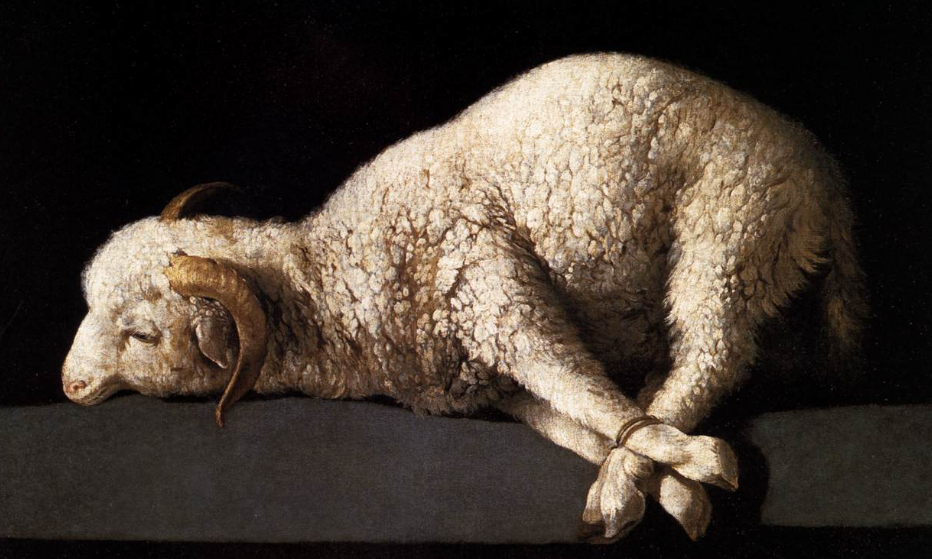
Hebrews 4:14-5:10
Do you think that we still need to go through a priest inorder to get to God? Do we need a human being to mediate for us our relationship with God?
The Bible’s remarkable answer is yes!
We need a priest. The question is which Priest. The Priest we need is the man - Jesus Christ - our great High Priest. He brings us to God and he is God towards us!
Passage that draws us into the main central theme of the book of Hebrews. Jesus our great High Priest.
Immediately sounds quite foreign. Possibly quite unattractive
I don’t know what comes to mind when you think about a Priest.
Perhaps you think about a Cleric - a roman catholic priest dressed in black. something from father Ted
Or perhaps you think of something more exotic - the High Priest of some eastern religion.
The Bible of course is rooted in the Jewish faith of ancient Israel. In Israel there was a whole tribe - one of the twelve tribes, the levites - who functioned as priests for the worship of the nation.. and in 5v1 we are told what the function of the High Priest was:
5v1 Every high priest is selected from among the people and is appointed to represent the people in matters related to God, to offer gifts and sacrifices for sins. 2 He is able to deal gently with those who are ignorant and are going astray, since he himself is subject to weakness.
A different High Priest was selected each year from the Levites, from the people to act as an intermediary between God and the nation. To represent the people to God, to act on their behalf v1 …and to represent God to the people, to act on God’s behalf v2
Let me ask you a question. Do you think that we still need to go through a priest inorder to get to God? Do we need a human being to mediate for us our relationship with God?
The Bible’s remarkable answer is yes!
We need a priest. The question is which Priest. The Priest we need is the man - Jesus Christ - our great High Priest. He brings us to God and he is God towards us!
You can see those two movements in vv14-16 of chapter 4
Jesus brings you to God and he is God to you
Jesus brings you to God
v14 we have a great high priest who has ascended into heaven,[as a human for us!] Jesus the Son of God, and therefore let us hold firmly to the faith we profess.
and Jesus is God to you
we do not have a high priest who is unable to empathize with our weaknesses, but we have [a merciful high priest] one who has been tempted in every way, just as we are—yet he did not sin. 16 Let us then approach God’s throne of grace with confidence, so that we may receive mercy and find grace to help us in our time of need.
Let’s look at these 2 aspects of Jesus’ High Priesthood in turn and our prayer is that seeing Jesus: the great high priest who brings us to God will cause to delight and hold firmly to our faith
and seeing Jesus, the merciful high priest who is God to for us will cause us to draw near to him to find grace to help in time of need
1 Jesus brings you to God so hold fast!
5:1-5 tell us about the High Priests of Israel. Selected each year from the tribe of Levi from among the people - to be the representative of the nation. So he had to be one of the people. He would act on their behalf towards God and act on God’s behalf towards the people.
The whole point of priesthood, the ideal of priesthood is that you are down with the people and up with God - that way you bridge the gap perfectly.
Well the key thing that the High Priest did in bringing the people to God is that he made the sacrifice on the day of atonement and brought it to God. You can read about it in Leviticus 16.
The Temple in Jerusalem was set up by God to teach the people about the probem of their sinfulness and his holiness. The temple was a model of heaven and earth. Do you remember outside the temple was the place where the people could congregate and that is the place where animal sacrifices were made. Inside the temple was the holy place where priests could do stuff. But at the heart of the temple behind a great thick curtain was the most holy place, the holy of holies.. here the ark of the covenant, the throne of God- a gold box containing the ten commandments, symbolising God’s presence - dwelt. And no one could enter except for the High Priest on that one day - the day of atonement. That is when the High Priest got to bring the people to God.
Just one day because of the huge problem.
The High Priest was very good at being down with the people. He was one of them. No different as v2 says he is subject to the same weaknesses. The high priest was very good at being down with the people..
But he wasn’t great at being up with God.
v3 he has to offer sacrifices for his own sins, as well as for the sins of the people.
Sacrifices were a constant reminder that for sinful humanity to encounter the just and holy God unforgiven would mean death. The right wages for our sins is death. But the sacrifice dies in the place of the worshipper to allow them to draw near. And so the High Priest would make sacrifices for the sins of the people - these animals die on your behalf so you can approach God.. and the most costly sacrifices he makes for himself because then …carrying the blood of the sacrifice he enters the most holy place but only very briefly - sprinkling the blood on God’s throne - which is called the mercy seat.. and spreading incense everywhere - symbolising the prayers of the people to God and then he gets out of there He doesn’t mess around. He doesn’t stay to chat. He doesn’t sit down on the throne to see what it feels like. He leaves and he never returns. Until a new High Priest does it all over again the next year. Because this is only play-acting. There’s nothing permanent or enduring about this. It’s fearful, it’s momentous, it’s immense, but it’s not the real ATONEMENT. It’s not the real way that sinners get right with God.
These old High Priests can’t represent you in the real court of heaven.
It’s a bit like if I go to court with you to help and support you. I can be down with you. I can sympathise with your plight, I can give you a character reference …but I’m not sure how much i can really help you or represent you because i am so not up with the Law. I, like you, don’t have a danny la rue what’s going on or being talked about. I am not much of a priest.. but what if i were both your friend AND the most gifted barrister or the generation..
And what if we had a friend who could represent us not just on earth but in the high courts of heaven!
what we need is not just any priest we need a GREAT High Priest
One who is down with the people AND up with God
Well look at Hebrews 5:4
No-one takes this honour [of being High Priest] upon himself; he must be called by God, just as Aaron was. 5 So Christ also did not take upon himself the glory of becoming a high priest. But God said to him, "You are my Son; today I have become your Father." 6 And he says in another place, "You are a priest for ever, in the order of Melchizedek.”
Christ comes along not as a temporary priest, not as a sinner priest, not as a mortal priest – He comes as a forever priest (that’s what the order of Melchizedek means – it’s an eternal order, it makes Him a forever Priest). Christ is a forever priest, an eternal, pure, righteous Priest – the Son of God taking on our cause. The Son of God who is down with the people (as He becomes man) but who is also UP WITH GOD. Ascended to the right hand of the Father.
Look again at chapter 4 verse 14…we have a great high priest who has gone through the heavens, Jesus the Son of God
Everything the old High Priests play-acted, Jesus has DONE. He hasn’t just sacrificed some animals, He’s sacrificed Himself. He hasn’t just travelled through a curtain, He’s gone through the heavens. He hasn’t just spread some incense in the throne room, He has sat down and He’s there right now, praying for us. Representing us perfectly to His Father as Man and for man.
14 Therefore, since we have a great high priest who has ascended into heaven,[f] Jesus the Son of God, let us hold firmly to the faith we profess.
Jesus is the great high priest who brings you to God so hold fast!
2. Jesus is the merciful high priest so draw near to him for help
part of the High Priests duty 5v2 was to deal gently with the ignorant and the wayward - people who were out of the way, people who were sinning. And the High Priest could do that because He too was weak. He understands, he knows what it is to be weak, therefore he can help the weak. God uses weak people.
But what about Jesus - Sinless and glorious Jesus what does he think of us when we sin? Jesus, enthroned on high does he understand us in our weakness?
He does. He does…
Look at v7 7 During the days of Jesus’ life on earth, he offered up prayers and petitions with fervent cries and tears to the one who could save him from death, and he was heard because of his reverent submission. 8 Son though he was, he learned obedience from what he suffered
Jesus subjected himself to our human weakness - cries and tears and obedience and suffering …
Look at 4v15 we do not have a high priest who is unable to empathize with our weaknesses, but we have one who has been tempted in every way, just as we are—yet he did not sin.
Does the fact that jesus never sinned, never gave in to temptation mean that he knows less about temptation than we do?
Does the tree that stays standing to the end know less about the effects of the storm than the tree that fell in the first hour or the one that fell in the final hour.
Quite the contrary - Jesus knows more about the furnace of temptation than any of us ever will because as the heat of temptation grew he NEVER gave in - even when temptation was nuclear so that sweat dropped from his brow like great drops of blood he never relented.
we do not have a high priest who is unable to empathize with our weaknesses, but we have one who has been tempted in every way,
he understands, he knows, he sympathises, he wants to help. He is our mercifu High Priest.
The Preacher who got this with a penetration i’ve not seen elsewehere
was a man called Thomas Goodwin. norfolk, lived in the 1600s. Goodwin started out as a preacher in his 20s with what he called ‘a ministry of battering consciences’ - which doesn’t sound too pleasant. he then had a meltdown and heard of the free grace of christ and it changed what his ministry would be about
Goodwin developed a conviction that in his day people didn’t know christ well enough and therefore they didn’t deeply love him and were trapped in their patterns of sin. People don’t know Jesus, they dream up a christless frightening God that they cannot turn to in their guilt, or Christ ascended in glory is just too alof as to be approachable or relatable to. and so Goodwin preached Christ - that the one who is on the throne of heaven is still that same friend of tax collectors sinners and if anything his glorified heart beats only more strongly with compassion for the weak and helpless.
On this theme - the merciful high priest - Goodwin put together his most popular work. a book called the heart of Christ in heaven towards sinners on earth.
What a title!
Goodwin says that here in hebrews 4 we see that 2 things in particular stir Christ’s compassion this afternoon
our afflictions, our sufferings - he’s grieved when his body suffers
but more than that He has compassion on us in our sins. He deals gently with the wayward.
says Goodwin: “your very sins move him more to pity than to anger.. fear not …christ is so far from being provoked against his own - all his anger is turned against your sin and he will ruin it. but his pity is increased the more towards you, even as the heart of a father is towards a child that hath some loathsome disease… his hatred shall all fall, and that only upon the sin, to free you of it by its ruin and destruction, but his affections shall be the more drawn out to you; and this as much when you lie under sin as under any other affliction. Therefore fear not, ‘What shall separate us from Christ’s love?’
astounding isn’t is
Goodwin’s point was that believers are those for whom sin is no longer their identity, Christ is. and the sin that remains in christians is like a sickness in them.
And he says when a father has a child who is sick he doesn’t hate the child! No! he hates the sickness and will do anything to drive it out and he loves the child more because the child is sick!
Our Jesus his heart goes out to us. His first reaction when a believer sins is pity - he hates the sin but his heart goes out to you. he hates the way you are struggling under it.. he longs to help..
Does this reality not change the way you might react to Jesus when you sin?
because when you sin what is your normal reaction towards Christ?
you want to run from him. depart from me I am a sinful man. you feel guilty you want to hide from him.
Whereas his first reaction is he wants to run to you..to help you… because he’s bled for you and will not let you go.
and by the way this heart of Jesus in heaven is the exact representation of the heart of the Father. There are no divisions in God. As if the Father has to be placated by Jesus to love us. jesus is sent to do the will of the Father which is to love!
16 Let us then approach God’s throne of grace with confidence, so that we may receive mercy and find grace to help us in our time of need.
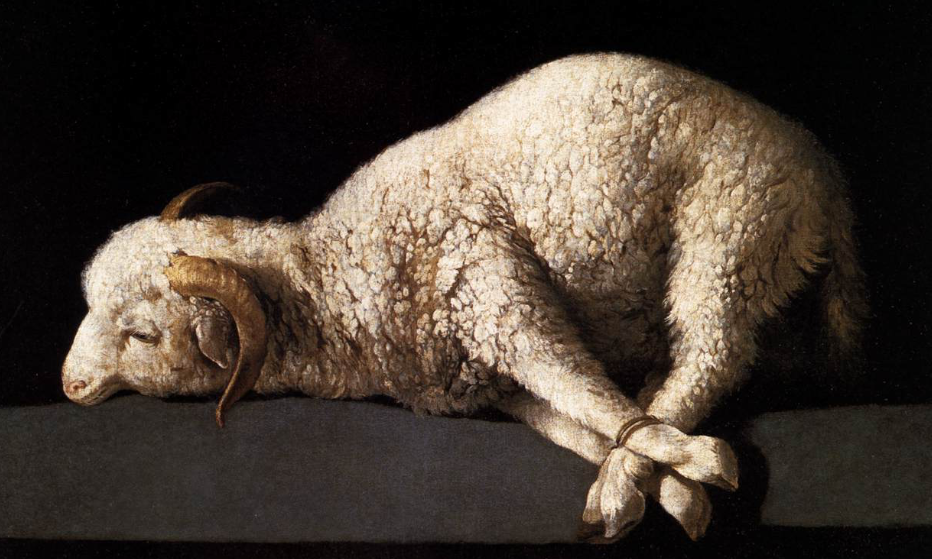
Hebrews 3:1-4:13
What is wrong with us?
Well, The whole passage screams to us – it’s the heart, the heart, The heart of our problem is the problem of our heart.
What does it mean to be a christian? what is a christian?
the beginning of v14 tells us what a christian is. A christian is someone who has come to share in Christ
That is, something has happened to a Christian so that now they belong to Jesus. In a very real sense they have become a part of Jesus. They share in Him.
Martin Luther said that the best illustration of the relationship that a christian has with Jesus Christ is that of marriage. In marriage you come to be ONE FLESH with another human being. And you belong to each other. And perhaps you then have the same name, perhaps the same bank account, hopefully the same home, the same future – you are caught up in each other. A Christian has come to share in Christ by trusting Him with their life and death and eternity. And now through trusting Jesus we belong to Him and He belongs to us. So His name and status is ours – we are declared to be righteous children of God. His future is also ours – He will not divorce us, we are in an indissoluble union with Jesus and where He is, we will be also. He has gotten through death and lives immortally, we will get through death and live immortally with Him.
So that’s what a Christian is – someone who has come to share in Christ.
Now, How do you know that you are a Christian?
What evidence is needed? Profound experiences of God? would be great but their presence or absence doesn’t prove anything. Moral goodness? again, that would be great but again its presence or absence doesn’t prove you’re a christian. What about church involvement? can i rest on that? No.
Look at the end of v14 We have come to share in Christ, if indeed we hold our original conviction firmly to the very end.
The way you know that you’re a christian is that you persevere in your belief in Jesus to the end of your life.
This isn’t meant to rock our assurance. In fact quite the opposite. it’s telling us that the way you know that you’re a Christian is that today you’re a believer. Do you believe Jesus is God, your saviour? If so then you are a Christian. Now, persevere in your belief to the end of your life.
One of the major concerns of the letter to the Hebrews is that we stand firm in confidence to the end. This perseverence doesn’t make you a Christian. Sharing in Christ makes you a Christian. But, by the grace of God, true Christians persevere.
That’s what this letter says to us again and again and in chapters 3 and 4 Hebrews takes us back to the Old Testament to urge us on to persevere with a warning and a promise.
It all revolves around the quote from the book of Psalms in 3:7-11. It’s a direct quote from Psalm 95 a psalm of Israel’s greatest King, David, that speaks about the very first generation of Israelites who were rescued: FROM slavery in Egypt FOR rest in a promised land but who FAILED to make it there. They FELL in the wilderness because they didn’t persevere in their belief.
Here’s what the Psalmist wrote v7,
‘Today, if you hear his voice,
8 do not harden your hearts
as you did in the rebellion,
during the time of testing in the wilderness,
9 where your ancestors tested and tried me
though for forty years they saw what I did.
10 That is why I was angry with that generation;
I said, “Their hearts are always going astray
and they have not known my ways.”
11 So I declared on oath in my anger
“They shall never enter my rest.”’
That generation rebelled, they grieved God, and they were not permitted to enter the promised land. It was a great tragedy.
But here’s what’s important. This is not just distant history. Those things happened then as a warning and encouragement to us. As a foreshadowing of our journey of salvation.
They were rescued from slavery in Egypt - we have been rescued from the slavery of sin and death.
They journeyed in the wilderness of Sinai - we journey through the wilderness of this present age
They were headed for the promised land of Canaan - we are heading for the true land of promise of which Canaan was only a foreshadow. We are looking forward to sharing in God’s Divine Rest - the New Creation.
So these things happened to them as a warning and encouragement to us to persevere
As the Holy Spirit SAYS 3v7 TODAY if you hear his voice, do not harden your heart as you did in the rebellion.
So what can we learn from that generation about the nature of sin? what it does to us, what it does to God? What’s the warning here?
let’s think first about what our sin does to God..
that word anger there in the quote is very important. very important that we understand it rightly.
because we often think of God as an angry deity. he’s angry with us and we quite frankly are angry with him. his anger means that we can keep him at arms length.
But if we think like this we are gravely mistaken and have got God completely wrong.
The anger that is spoken of here is a deep grieving kind of anger. It is the grief of unrequited love. It is the deep pain and hurt of a father with an unruly, rebellious child. It is the right and searing jealousy of a husband with an unfaithful wife. For God is a father and a husband to his people.
In Exodus 19 on the top of Mount Sinai God draughts the 10 commandments with Moses and he says to him. “This is what you are to tell the people of Israel: You yourselves have seen what I did to Egypt and how I carried you on eagles wings and brought you to myself. Now if you obey me fully and keep my covenant, then out of all nations you will be my treasured possession.”
Israel had seen what God had done to the superpower Egypt, the ten plagues, the escape through the red sea, he had led them by a pillar of fire at night and of cloud during the day. God had carried them to himself and now as the covenant promises are drawn up this is like their wedding night. And Moses carries the tablets of the ten commandments down the mountain and as he approaches the Israelite camp he finds that they are worshipping other gods.
For 40 years God leads Israel, his wife, in the wilderness. Seeking to teach her to trust him. v8 calls it the time of testing. So sometimes God delayed the things his people needed - food or water - to train his people to trust him - to pray, to wait. If you’ve been a Christian any time, you’ll know God does this. But rather than wait the people became angry and complained and spoke against God again and again. they tested and tried him.
And when God finally brought them to the borders of the promised land. And spies went in and returned and said - yes there are enemies there but it’s a land flowing with milk and honey and God has promised it to us - the people said no. we’re not going in. take us back to egypt.
In Hosea chapter 11 God says this:
“When Israel was a child, I loved him, and out of Egypt I called my son. 2 But the more I called Israel, the further they went from me. They sacrificed to the Baals and they burned incense to images. 3 It was I who taught Ephraim to walk, taking them by the arms; but they did not realise it was I who healed them. 4 I led them with cords of human kindness, with ties of love; I lifted the yoke from their neck and bent down to feed them…. 7 [But] My people are determined to turn from me. (Hosea 11:1-7)
The book of Hosea is all about the adultery of the people of God. God consistently doing whatever it takes. paying whatever cost to get his wife back. But she cheats on him again. And he cries out with grief and pain.
I don’t know what picture of God you have. I don’t know what picture of your sins you have. I think we tend to view our sins as legal transgressions against some impersonal rule-book. No the LORD Jesus is our Husband. And He is grieved – not so much by this particular sin or that – but by our hearts that seem to pursue satisfaction in anything but Him. He is the spurned Lover, the rightfully Jealous Husband to whom we belong but against whom we sin every day.
Against you and you alone have I sinned, Oh God
Oh people do you feel it?
God so loves us - he wants us for himself.. We hurt him. We hurt him.
On the borders of the promised land. they say. Nope, We’re not going in. No thank you. Let’s find someone to take us back to Egypt. And finally..finally God gave them what they wanted. ‘They shall never enter my rest.’ It pains him with grief we are the apple of his eye but God gives us what we want. He never hands us over to what we don’t want. He always hands us over to what we do want.
What is wrong with us?! What is wrong with us?
Well, The whole passage screams to us – it’s the heart, the heart, The heart of our problem is the problem of our heart.
Look at verse 8 – do not harden your hearts
Verse 10 – their hearts are always going astray
Verse 12 – See to it, brothers and sisters, that none of you has a sinful, unbelieving heart
Verse 15 – do not harden your hearts
The LORD Jesus is the great heavenly Husband and He’s not primarily after our wills, He’s not primarily after our intellect – He’s after our hearts. But by nature our hearts are hard, wandering and unbelieving. And at the end of v13 we see that they can get even worse through sin’s deceitfulness. Sin lies to us. We are dying of thirst in the desert and instead of going to our Lord Jesus and asking for the living waters of His Spirit – sin comes along and says “Here, try this bucket of salt. It’s much tastier than boring water. This is what will satisfy you.” So we spurn our Lord and His Living Waters and we slake our thirst on a bucket of salt.
And as we believe the deceitfulness of sin – it hardens us. It makes us less and less likely to ask for the Living Waters in future. That’s the scary thing. Sin doesn’t change the LORD’s attitude to us so much as it changes our attitude to Him. Sin doesn’t harden Jesus’ heart towards you, sin harden’s your heart towards Jesus. Like the skin that forms on the top of paint our hearts seal over, our consciences lose sensitivity, we become comfortably numb.
What can be done to enable us to persevere? To change our hearts. Well there is hope.
God can do things with hard hearts
First there is his word
We’re told in chapter 4:12 that the Word of God can come like a surgeon’s scalpel and bring out the thoughts and attitudes of our hearts. It doesn’t sound like a lot of fun does it, heart surgery isn’t fun – but it’s necessary. And when we read or hear the Word of God it can expose what our hearts are like. I hope that’s even happening now. Some of the caloused scar tissue is cut away. the living and active word of God jump starts our dead cold hearts to life again. How much we need God’s word as a daily spiritual defribulator.
then there’s God’s people
Read with me from v12:
12 See to it, brothers and sisters, that none of you has a sinful, unbelieving heart that turns away from the living God. 13 But encourage one another daily, as long as it is called Today, so that none of you may be hardened by sin’s deceitfulness.
Every day. It only takes 24 hours for our hearts to be hardening. We are responsible for one another. We need one another.
Proverbs 20v5 says The purposes of a man’s heart are deep waters, but a person of understanding draws them out. If you know Jesus, you are a person of understanding. Jesus is Wisdom (according to Proverbs) and if you have Jesus you have understanding. That means that if you know Jesus and if you get to know me – there’s a deep sense in which you know me better than I know myself. I am a mystery to myself – I look down at my heart and it’s deep waters, I can’t see the bottom. My heart is deceitful and wayward and difficult to pin down. But you are much better positioned to diagnose the problems in my heart than I am. And i’m much better positioned to diagnose yours than you are. We don’t know ourselves – we need community to draw out what’s really going on in us so we can deal with these wayward hearts of ours. We’re talking here about the kind of community that gets to the heart – are you pursuing that kind of encouragement? We won’t survive the wilderness without it.
Dietrich Bonhoeffer wrote a wonderful little book on the importance of encouragement and he called it “Life Together.” And a line from that book is one of the most insightful things I’ve ever heard about encouragement.He said: “The Christ in the word of my brother is stronger than the Christ of my heart.” By which He means, I might know in my head that Jesus is my Glorious and Beautiful Husband who shed His own heart’s blood for me, but when my Christian brother or sister looks me in the eye and says “Giles, Jesus loves you and gave Himself for you.” That has a power to soften the hardest heart. because faith always comes to us from a word outside ourselves not from within. when we meet together we have the power to offer Christ to one another in ways that keep our hearts soft and trusting.
God’s word, God’s people,
finally God’s promise
4v1 .. the promise of entering God’s rest still stands,
4v9 There remains, then, a Sabbath-rest for the people of God.
Whenever we talk to each other and ask each other how we are. whether we’re doing quite badly or quite well we’re always tired. ‘I’m ok, i’m just tired. i need a holiday’ You know, deep in the human condition we all need a good rest. We long for rest. And God has promised us a share, in Christ, in his eternal rest. God promises it with all his heart. A future, permanent place of rest. He wants us to enter in.
4v3 we who have believed enter that rest - it’s ours.
And so let us persevere in believing every day of our lives - until we finally come home to him, to the lover of our very souls.
since the promise of entering God’s rest still stands, 4v1 let us be careful that none of you be found to have fallen short of it.
Let us, therefore, 4v11 make every effort to enter that rest, so that no one will perish by following their example of disobedience.
let’s pray
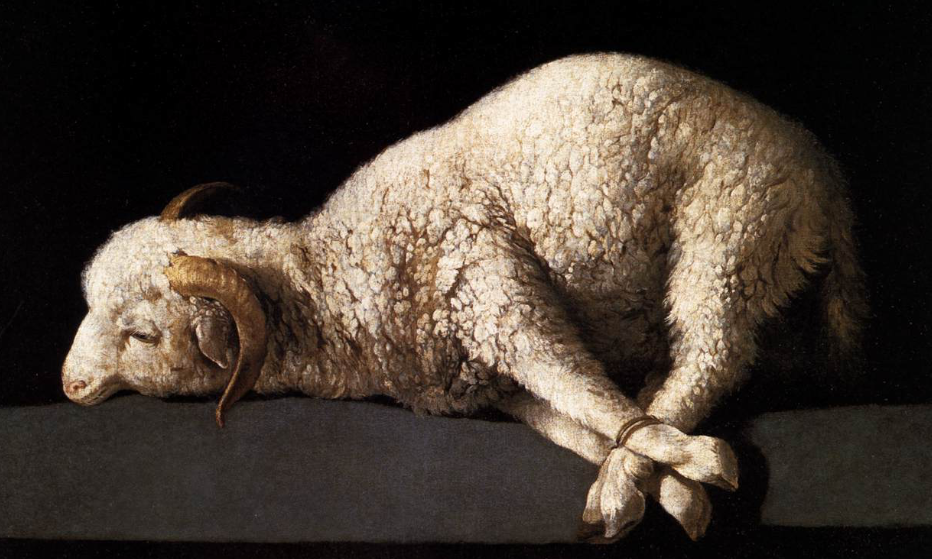
Hebrews 2
The way that we hold on to God is by gazing at the God who has taken hold of us. That’s what Hebrews 2 is going to show us: Salvation is about being taken hold of by Jesus.
Let me begin by asking you to conjure an image in your mind:
In Psalm 63:8 the Psalmist says to God : ‘My soul clings to you; your right hand upholds me.’
Do you see the image? I’m holding on to God. I need to. But really, underneath, He’s got a hold of me. My soul does cling to you LORD. But deep down it’s Your strong right hand that upholds me.
We have started looking at the NT book of Hebrews - written (by Barnabas) to Urban Christians who are under huge pressure in a pluralist non-christian culture to drift, disobey, give up on their faith.
And Chapter 2 begins with a stark warning to hold onto God
v1 “We must pay more careful attention to what we have heard, so that we do not drift away.” And v3 “how shall we escape if we ignore such a great salvation.” Pay attention, says Hebrews. Don’t drift. Don’t ignore this. Hold fast to God. Salvation is at stake.
But if that’s all we read here, we might go away thinking – oh boy, I don’t think I have the strength. I don’t think I can do it.
Well if that’s how we feel, the rest of Hebrews chapter 2 will give us a much bigger perspective. Yes, verses 1-4 our souls must cling to God. But verses 5-18 are all about the Strong Right Hand of God holding on to us. Ultimately your salvation is not down to your grasp of God. As we’ll see in these verses, Ultimately your salvation is down to His grasp of you.
And We were saying this last week that the way that you can hold onto God, in the midst of the problems and temptations of this life, is by contemplating, looking at, fixing your eyes on ..the Glory of Jesus Christ. It’s the only antidote that will expel all the poison that will otherwise perplex and enslave us..”
So that’s what the book of Hebrews is all about - showing us the glory of Jesus. Ordering all our joys under His primary joy. Because.. the way that we hold on to God is by gazing at the God who has taken hold of us. That’s what Hebrews 2 is gonna show us: Salvation is about being taken hold of by Jesus.
Look at v16. I’ll read to you literally what it says in the original language “Surely it is not angels that He (Jesus) lays hold of but it is the descendents of Abraham (humans) that He lays hold of.”
The word ‘help’ there in our church Bibles is a really weak way of translating a very strong word. This is the word for ‘seize’ or ‘arrest’ or ‘catch’. It’s got the idea of being taken into custody. Jesus Christ taking Abraham’s descendents into His hands, up into His possession. That’s the kind of ‘help’ Jesus offers. He lays hold of us.
It’s a bit like people with cats. I’m not a cat person. I’m unfortunately allergic to the feline. But I’ve observed this. When you decide your cats really should go outside. You ‘help’ your cats make that transition. But here’s how you help them. you don’t simply provide instruction. You don’t simply command or cajole.”Ginger, outside..” You don’t simply open the way, clear the path and make safe passage. No it’s very hands on the ‘help’ you give. You seize the cats; catch the cats, gather them up. And then you walk across the threshold carrying them under each arm. And in this way You deliver them into a whole new realm. That’s how You ‘help’ the cats make the transition.
Well it’s the same with Jesus Christ. He looks on a humanity that needs delivering. . And so He “helps” us make the transition. And He doesn’t simply provide helpful instruction about how we might do that. He doesn’t simply command or cajole. He doesn’t simply open up the way, clear the path and make safe passage. No. He is very hands on in the help He gives. He gathers us up and He strides across the threshold Himself to deliver us into a whole new realm.
He takes hold of us to restore us, rescue us and represent us
so point number 1. Jesus takes hold of us to restore US vv5-10
The writer to the Hebrews (Barnabas) seems a bit obsessed with angels doesn’t he? Perhaps the church he was writing to was a bit obsessed with them.
Angels are 1v14: Ministering spirits sent to serve those who are inheriting salvation. (Fiona and I have a theory that our estate agent, Max, through whom we’ve secured somewhere to move into is in fact an angel - we’ll invite him to our house warming and you can see for yourself).
In Hebrews chapter 1 the writer compares Jesus with the greatness of angels to demonstate Jesus’ greater glory but now here, he seems to compare Angels with humans
Have a look
5 It is not to angels that [God] has subjected the world to come, about which we are speaking. 6 But there is a place (namely Psalm 8) where someone has testified :
‘What is mankind that you are mindful of them,
a son of man that you care for him?
7 You made them a little lower than the angels;
[but] you crowned them with glory and honour
8 and put everything under their feet.’
we humans may be weaker than angels but we were made to steward the earth. that was the command given to adam and eve in Genesis 2, fill the earth and develop it, graciously rule over all nature and animals. That’s true humanity.
And of course we’ve blown it haven’t we? From Adam and Eve’s first disobedience we, humanity, the family of Adam, ignore God and his word.
v8 describes the tragedy
In putting everything under them, God left nothing that is not subject to them. Yet at present we do not see everything subject to them.
BUT
v9 we do see Jesus, who was made lower than the angels for a little while, now crowned with glory and honour because he suffered death..
Where humanity failed. Jesus succeeded. Jesus the Son, God eternal, second person of the trinity for a little while was MADE lower than the angels. God became a human being in a stable in Bethlehem and walked on earth. And because of his spotless life and his selfless death for us (end of v9). God made Jesus (end of v10) perfect through what he suffered. That is, God exalted Jesus, raised him from the dead - crowned Him to be ruler of all. Jesus restores humanity. As a human he does what humanity has failed to do..
And then look at the family language in vv11-13
Jesus became human inorder to be a new Adam fathering a New humanity, a family that we can become a part of as we put our faith, our trust in him, Jesus. We can leave Adam’s race and be joined to our Jesus our brother and joined to a new human race! The first part of which - our pioneer Jesus - is already restored and ruling in glory. And when he appears again on this earth we shall be raised like him and will rule with him.
Jesus takes hold of our humanity and carries us over the threshold to restore US
A big part of joy is having things to look forward to. It might be a holiday or a wedding, the birth of a child. The reality for a culture that is lost and has no real concept of the future - is that our hopes can be very weak. But in Christ we have a living hope. We have A Future. We havd A world to come. Where it is not even angels that shall rule and govern and steward but US! Take heart. Rejoice in hope..
2. Jesus takes hold of us to rescue us vv14,15 and 17
In order to rescue us, Jesus had to become one of us. Only a human can pay a human debt.
v14 Since the children have flesh and blood, he too shared in their humanity so that by his death he might break the power of him who holds the power of death – that is, the devil
here’s the first enemy that jesus takes hold of us to rescue us from: darkness from below. Death is God’s holy punishment for our sin – but the devil holds the power of death because he accuses us before God. His is the darkness below us.
But then there’s the darkness within us. FEAR of death. Verse 15 says we are slaves to our fear of death. Everything we do is overshadowed by the grave. Now, very few of us face that shadow head on, we don’t dwell on it. But fear of death is the root fear out of which all other fears grow. And it’s a slavery: There is a driven-ness to a life without Christ that ultimately dances to the tune of this fear. Before Christ gives us an answer to death, we are captive. It is a great darkness within us.
And finally there is a darkness above us. God’s anger at us in our sin. Verse 17 recalls the Old Testament temple. In that building there was a Most Holy Place where the LORD dwelt, there was a Holy Place where priests worked, and outside there was an altar where sacrifices were made. And the sins of the people required atonement. A sacrifice that would turn God’s anger away.
This is so important. Our problem is not just that we sin. Our problem is that sin is an offence to a holy God, and He is righteously angry at us. If our problem was simply that we did bad things then the solution would be in our grasp – we could just stop doing bad things. But the real problem is above us. God’s anger at us in our sin – that is a problem that’s out of our hands. God’s wrath is the dark cloud above us.
And so without Christ’s rescue, there’s darkness from below, from within, and from above.. But.. the people walking in darkness have seen a great light. On those living in the land of the shadow of death a Light has dawned. For to us a child is born, to us a Son is given. Jesus comes to lay hold of us in our darkness. He takes up our humanity in Himself in order to rescue us.. and he does so by his sacrificial death on the cross..
v17 ‘Christ had to be made like his brothers in every way that …he might make atonement for the sins of the people.’
The picture of v17 is really of the LORD sending all the priests and all of the sacrifices out of the temple. And He Himself climbs off His throne in the Holy of Holies (this is the meaning of the incarnation) He climbs down off His throne. He descends down through the Holy Place and out to the altar. There He lays down and is slain as the Lamb.
And in His death, the death-sentence for our sin is truly and finally satisfied. God’s anger at us in our sin is turned away from us because it has been turned on Christ and exhausted in Him. Christ laid hold of us, summed up our predicament, took responsibility for it,faced the anger it deserves, paid for it in full and put it away for good.
And then he rose again. He crossed the threshold, coming into a new realm beyond the darkness of sin, fear, and wrath. And He’s done all this, as one of us, laying hold of our humanity, carrying us with Him.
In Ian McKewan’s novel Atonement Briony Tallis is a 13 year old girl with an active imagination – she is an inventor of stories. After a sexual assault occurs near her country home – a combination of misapprehension and malice leads her to accuse her sister’s lover. The teenager’s evidence sends an innocent man to prison. And as she enters adulthood guilt for her actions begins to consume Briony Tallis. She is torn by regret and nagging remorse throughout her adult life. Longing to make amends, to set matters straight, to make some kind of Atonement. But she is unable to do, and so, and haunted by remorse, she resorts again to her imagination – an attempt to find a way of becoming at peace with herself.
Guilt and shame are a real weight upon us. Some of it imposed upon us by others. Some of it our own. But Jesus in his death has taken responsibility for all our wrongs and he has made atonement. Jesus has taken hold of you to rescue you from the dominion of darkness and bring you into his kingdom of light. So will you not now please stand in his light as free of guilt and shame..
3. vv17-18 Jesus takes hold of us to represent us.
Jesus has dealt with the darkness of our human failure, fear and shame, but we can still feel isolated in this world. There is still a darkness around us. Temptation and suffering is our daily experience. Does God really have any idea what it’s like to be human? Is there any point in praying? Does he know what we need?
If you were part of a minority people group in a country and you felt your culture was misunderstood and overlooked and you weren’t being helped. What would you need? What you’d need is to get one of your own high up in the government of that country – to represent your people before the president or prime-minister or whoever it is who has the power to change things.
v17 says that Jesus was made like us in every way ‘in order that He might become a merciful and faithful High Priest in service to God.’ It’s temple language again. Every year in Israel there was a special sacrifice of atonement of a spotless lamb made outside on the altar. And then the blood of the sacrifice was brought by one of the people - the High Priest - through the Holy Place and into the Most Holy Place. On the basis of the blood the High Priest could enter. And He entered with the names of the tribes of Israel written across his breast-plate. The High Priest literally carried the people of God on His heart before the LORD.
It was another picture, foreshadowing what Jesus would do for real. Jesus is both the sacrifice and the great high priest. He laid hold of our humanity in order that he might lift it up to God and represent us there before the one who has power to change things. Even now – there is a man - seated at the right hand of God. Jesus - Humanity represented in the Trinitarian Godhead!!
And here’s the thing - Jesus is a merciful high priest. ‘Because (v18) he himself suffered when he was tempted, he is able to help those who are being tempted.’
Jesus is able to sympathise and help you like no other friend can. Because he suffered every suffering he alone knows what you are suffering, and because he was tempted in every way (though he is without sin) he knows your temptations… he understands.
And Because he has removed God’s wrath towards your sins past present and future Jesus now has only love, compassion and deepest affection for you. When you sin, his grace abounds to you all the more as he graciously maintains your justified status. His heart is filled with nothing but love for you and he longs for you to repent and confess so that he might run to you and show you the gracious and forgiving love that has been in his heart all along. If there is any grief in the heart of Jesus when you sin it comes from the fact that in your moments of sin you are not receiving the fullness of his love for you.
Gospel primer. Have a gospel on the go.
Jesus has taken hold of us.. that we might take hold of him
To restore us - living hope
To rescue us - freedom from fear and guilt
To represent us - our merciful high priest… there for us
Oh jesus - how wonderul you are. Source of all our joys
Let’s pray
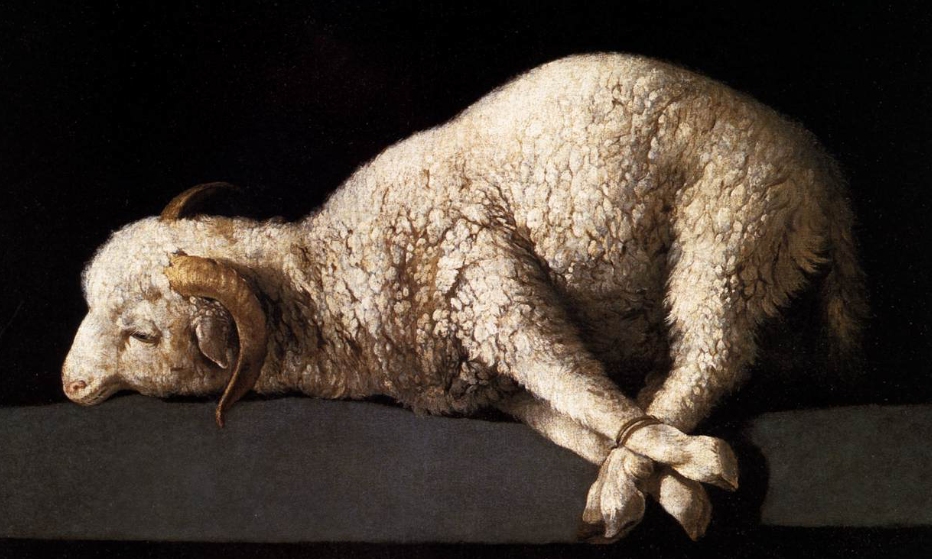
Hebrews 1
At it’s heart, this letter that reads like a sermon fixes our eyes on the glory of Jesus and exhorts us, for the sake of our freedom and joy, to keep looking at Him!
We are beginning our studies in the NT book of Hebrews.
A book that’s sometimes neglected.
We don’t know who it was written by. It bears no signature. Wasn’t Paul. Could be Barnabas! Our own Barnabas who wrote it.
We do know that it was written to Urban Christians, like us - there are more references to the city than any other bible book - some of Jewish background, some pagan - under pressure from a pluralist non-christian culture - to drift, disobey, give up on their faith.
At times this book might feel overly detailed, distant and difficult. But at it’s heart this letter that reads like a sermon Fixes our eyes on the glory of Jesus and exhorts us, for the sake of our freedom and joy, to keep looking at Him!
PRAY - light of the glory of God in the face of Christ strengthen, refresh, renew.
Towards the end of his life, having buried ten of his children, having been harassed and hounded by the authorities, pushed into social exile, arrested for merely seeking to pastor his congregation. The 17th C preacher John Owen said this:
“A due contemplation of the glory of Christ will restore and compose the mind … will lift the minds and hearts of believers above the troubles of this world. It is the sovereign antidote that will expel all the poison that will otherwise perplex and enslave them..”
Are you battered and bruised like Owen? The many troubles of life
Our aim as we journey through Hebrews is to so fill our vision with the glory of Jesus. To see how Christ comforts and refreshes his beloved people with Joy.
Because - The Joy of the Lord is our strength.
Please can we talk about Joy for a moment?
I’m not talking about a fake Christian smile. ‘Praise the Lord anyway’ when life is really hard. But my prayer is that we will cultivate together, nourish in one another a joy in Christ in the midst of the troubles of life.
Because I take it that joy is not an optional extra for a Christian. Like going to the cinema - it’s nice if you’ve got the time but if you’ve got young kids just forget it for about 18 years. I don’t think Joy is like that. “Rejoice in the Lord Always,” commands the Apostle Paul.. Joy is essential to Christian growth. For we were made to glorify God and enJOY him forever. And we do not enter into the new life to which we have been called if we don’t enter into our master’s joy.
And Joycomes - have you noticed - through encountering beauty. Whether it’s a a 40 yard pass from the boot of tottenham’s Christian Erickson; Slowdive’s new album after 21 years of shoegaze silence; or whether it’s the laughter of friends over your meal. Joy comes through encountering beauty.
And the richest beauty - the source of all beauties - is Christ.
So we want to encounter Him to find a deeper joy in these coming weeks of Hebrews.
And as we find deeper joy in him we will find our hearts bound together more, find ourselves loving each other as brothers and sisters more with his love.
—
To Hebrews. Look unto Jesus,
Hebrews 1v1
In the past God spoke ….to our ancestors …through the prophets at many times and in various ways. But Now In these last days God HAS spoken to US by his SON whom he appointed HEIR OF ALL THINGS AND THROUGH WHOM HE MADE THE UNIVERSE
All of Scripture is about THE SON. He is the point, the centre, the cornerstone, the jewell in the crown of our faith. And the first thing that Hebrews wants us to know about Jesus is that he is the Heir of all things and the creator of all things. All things were made by him and for him says Colossians
Now, this is not even the most important thing that could be said about Jesus but it’s a good place to start because it sets everything we’re going to say about Jesus in wonderful context. It frames our thinking well because from the outset we can be clear that we are not talking about our own little hobby horse.
As we begin to think wonderful thoughts about Jesus it’s not that i happen to get excited about Jesus and my brother in law gets excited about climbing the Via Ferata in the Italian Dolomites. And it’s just that we have our own different things that really interest us .
That is what our culture wants to enforce upon those of religious belief and it’s very easy to let that message slip into our self conscious - that Jesus is just our little personal hobby horse. Some people go for Cordon Bleu cooking or Wind surfing some people go for Jesus. It’s your hobby.
The whole weight of our culture seeks to reduce Jesus to be an optional smear on top of ‘real life’ and to say that it’s pretty weird and backward to really believe in him. Witness the Media’s treatment of Lib Dem leader Tim Farron in recent weeks.
Jesus is just your thing and keep it to yourself. And to the extent that we buy that … that is a great fat leach on Christian vitality. We sing songs of Christ’s majesty in here on a Sunday but as soon as we leave here - what relevance does Jesus have to the happy hordes of friends barbecuing on London Fields or to the concrete world of work on Monday morning? Those things look like real life. ‘Jesus your hobby’ - sucks all your christian life and strength and vitality out of you.
And so before we go too far, Hebrews - written to Urban Christians in just such a pluralist, materialist cuture as ours- tells us we are not dealing with some laughable piffling little Christlet. NO, We are dealing with the ONE though whom all things were made, who upholds all things moment by moment with the word of his power. The skies, the mountains, music ALL things bear the marks of HIS artistry, And HE is the heir of all things. No one else. This is his world down to the tiniest atomic detail. And you only really know the joy of sunshine and, parkland and barbecues and friendship and work and creativity when you know HIM.
And so we are not playing religious games here. Jesus’ character is so written into the fabric of reality that until you’ve thanked Christ for your life you haven’t discovered your true origin. Until you’ve depended on Christ for everything you haven’t found the true sustainer of your life. Until you have submitted your life to Christ you haven’t found your true purpose in life. For Jesus IS the maker, sustainer and goal of all things.
Now i need to know that when the world marginalises us and makes our christianity out to be pointless and laughable. We need to know that we are not talking about a private individual interest but PUBLIC TRUTH. We are talking abut the ONE who is the heir of all things
And then …
There’s this stunning phrase in v3 which links back to verse 1
In verse 1we saw this great contrast of the past to the NOW
In the past ..God spoke ….to our ancestors …through the prophets at many [isolated, different] times and in various [literally: piecemeal, bitty] ways - so God spoke in the OT, didn’t he, through historical events, scriptures, types, laws, ceremonies, practices, sacrifices …
But Now (contrast) In these last days [the end days - it’s all been done, all fulfilled, because] God HAS spoken [finally, fully] to US by his SON
So Jesus is …..The Full, Complete, Coming together of all the bits and pieces of the jigsaw revelation of God..
and v3 puts this way - it’s amazing -
The Son is THE RADIANCE OF GOD’S GLORY AND THE EXACT REPRESENTATION OF HIS BEING
it is in Jesus that we fully, exactly see what God is like. His glory… His being
Think again about Jesus as he’s descibed in the gospels:
What You see is a man with a towering charisma
Health and healing, loaves and fishes - everything’s abounding in his presence
He’s clearly so magnetic that people come flocking to be with him.. they didn’t want to leave
rich and poor, men and women; children, sick, mad, frail. befriending the rejected; giving hope to the hopeless. the dirty and despised found that they mattered with Him.
And his closest friends.. they found that as the Son of Man came eating and drinking ..to be with Jesus was everyday like being with a bridegroom at his wedding!
Here is a man who on the one hand felt a world of pain, a man of sorrows familiar with grief and yet all through the gospels we see that he abounds with joy
Joy …. and goodness …and love
because, second half of v3, it was only after he had provided purification for sins that he returned to the joy of the majesty in heaven. It’s a strange phrase ‘providing purification for sins’ harking back to the ceremonies and sacrificies of Israel. Hebrews will have much to say about how these jigsaw pieces become radiantly clear jesus. But here we are reminded. He, the Lord of Joy, gave himself as a sacrifiice for us. He took our filth to provide for our purity..
Look at Jesus. Such joy, such goodness, such love..
In Jesus, in the gospels, we see ONE who had a HUGE heart
He loved God, He loved people, he hated evil, he felt for the needy he is so FULL, he is so ALIVE
and here you see is the point and the wonder
Look at Jesus there in the gospels and there is Your God wonderfully displayed to US
There is NO God in heaven who is UNLIKE that Jesus who we see
JESUS IS the radiance of God’s glory. The exact representation of his being
He is God from God light from light, true God from true God, One in being with the Father…
God cannot be other than what we see in Jesus.
Meaning… that you can get rid of that horrible sly idea that behind the friend of sinners lies another god who is rather thinner on compassion and grace.
There cannot be! Jesus is the FINAL, FULL. PERFECT revelation of God
If you want to know what God is like - look at Jesus, look at Jesus
In Christ we exchange darkness and bittiness for light and fullness in our understanding of who God is. And the God who jesus shows us is an unsurpassably beautiful and lovely and desirable God.
You know this stuff is right at the heart of our struggles with prayer?
If i am not daily seeking to allow JESUS to shape my thoughts of who God is. what i find is this ..
I find …if God is not like Jesus. I don’t want to pray to him. I wake up in the morning and the first thing that I am aware of is my basic sinfulness and if God is that Holy other in the sky i just don’t want to pray, i dont want to face him. But if God is like Jesus …then every morning though I amvile like the thief on the crossi know that i can say remember me and i know that he will! Though I feel lame and spiritually leprous I know what he is like towards people like me! I know how he will respond. I know he loves me.
This means 2 things i think for our daily feeding on the Scriptures
- You’ve got to read the Bible backwards
- You’ve got to have a gospel on the go
You’ve got to read the Bible backwards
God spoke in the past - the OT - in many - bitty ways - pieces of the jigsaw of who he is that come together - like the pieces of a kaleidoscope come to gether when you twist it - in Jesus. The OT is fantastic but You have to read the OT like the letter of Hebrews does with Jesus absolutely in your mind as the One who brings all those bits and pieces of revelation about God together. Read the Bible backwards..
And because Jesus fully reveals God to us. You’ve always got to have a gospel on the go. Never be out of the gospels.
—
The rest of Hebrews 1 is devoted to showing Jesus’ greatness. And it’s as if the writer to the Hebrews (Barnabas ;-) thinks what can i compare Jesus to to demontrate his superiority his greatness and he says I know. I’ll compare him to the greatest known beings - Angels.
We have a fascination with strength and power don’t we? From an early age - my son Zac - it was Yugiho cards for a while now it’s pokemon cards. My monster trumps your monster - more powerful.
Angels are real - v14 ministering spirits to serve those inheriting salvation!
powerful
But Hebrews says that Jesus trumps the angels -
But look what’s interesting - not because he is more powerful, (bigger spirtiual biceps), not because he is a King.
But because he is a Son
See it there?
In this string of OT quotations about Jesus:
v5 5 For to which of the angels did God ever say,
‘You are my Son;
today I have become your Father’[a]?
Or again,
‘I will be his Father,
and he will be my Son’[b]?
v6 And again, when God brings his firstborn [Son] into the world, he says,
‘Let all God’s angels worship him.’[c]
v8 About the Son, God says ….
by the way these verses are not teaching that Jesus had a beginning or that he somehow became God’s Son. No, from eternity he is the Son of God but at his exaltation when he is enthroned (end of v3) after his death and resurrection, when v6 the firstborn heir is brought into the World to come, then he is revealed and declared to be Son of God and so ‘let all God’s angels worship him!’
Chad Le Clos
Bert Le Clos, Olympics. ‘Look at my Son, he’s beautiful’
Jesus being the Son, shows us that God, the highest being in the universe, is not a lonely powerful monarch but a community of loving persons, an eternally loving God. A Father loving his son in the unity of the Spirit. Occasionally in the gospels. God the Father cannot help himself. At Jesus’ baptism This is my Son, whom i love. On the mount of transfiguraton. This is my beloved Son. But supremely - after Jesus’ loving, obedient death. His resurrection and ascension are God’s declaration that this is My Son - Look at him, he’s beautiful, worship him!
Jesus is greater than the angels because he is the Son
Jesus is so beautiful that he has captivated the mind and heart of the Father for eternity. he is the Father’s everything. There is nothing more precious to the Father than him because there is nothing better than him.
And this is what we were made for - to find our refreshment, to find our joy WHERE THE FATHER ALWAYS HAS - in Jesus. To find a delight so great it can satisfy even a Divine heart - the heart ofthe Father for an eternity! That’s what we’re being brought into to enjoy. The Father shares with us what is most precious to him. Jesus himself is the very great reward of the gospel. He is the heart of it - yes we are given forgiveness, yes we are given eternal life but supremely we are given HIM.
John Newton - ex slave trader, writer of our second hymn and the hymn we are about to sing, Amazing Grace. In a letter to a friend
This is what i want us to see in Hebrews,
Let me commend you to the grace and care of our Lord Jesus. They that dwell under the shadow of His wings shall be safe. His service is perfect freedom; in His favour is life. May His name be precious to your heart!
And may you have such increasing knowledge of His person, character, and offices, that beholding His glory in the Gospel, you may be changed into His image, drink in His Spirit, and be more conformable to Him.
To view Him by faith, as living, dying, rising, reigning, interceding, and governing for us, will enable us to endure any cross, to overcome all opposition, to with stand temptation, and to run in the way of His commandments with an enlarged heart.
And yet a little while, and He will put an end to our conflicts and fears, and take us home to be with Him for ever. Thus, by the power of His blood, and the word of his testimony, we shall be made more than conquerors, and in the end obtain the crown of life, which the Lord hath promised to them that love Him.
Look unto Jesus - a haven for the burned out for the weary for the cold - he is sufficient
he is better